Menu
Download our Petland App today for information on your local Petland's Available Pets and Pet Supplies. All at the tips of your fingers!


Download our Petland App today for information on your local Petland's Available Pets and Pet Supplies. All at the tips of your fingers!
Please create a free account below, or login by clicking here.
Petland Overland Park, Kansas
August 14, 2026
If you’ve ever looked closely at your dog’s ear, you probably noticed it’s not as simple as yours. A dog’s ear canal is shaped like an “L,” which means debris, moisture, and bacteria can easily get trapped inside. This structure makes proper cleaning important, but also risky if done incorrectly. One wrong move can push dirt deeper instead of removing it.
Think of your dog’s ear like a narrow tunnel with a sharp turn. If you try to clean it without understanding how it works, you are basically sweeping dirt further inside rather than clearing it out. This is why many well-meaning dog owners accidentally cause more harm than good.
Ear infections are one of the most common health issues in dogs. They can be caused by bacteria, yeast, allergies, or trapped moisture. Dogs with floppy ears, like Cocker Spaniels or Labradors, are especially prone to these issues because their ears don’t get enough airflow.
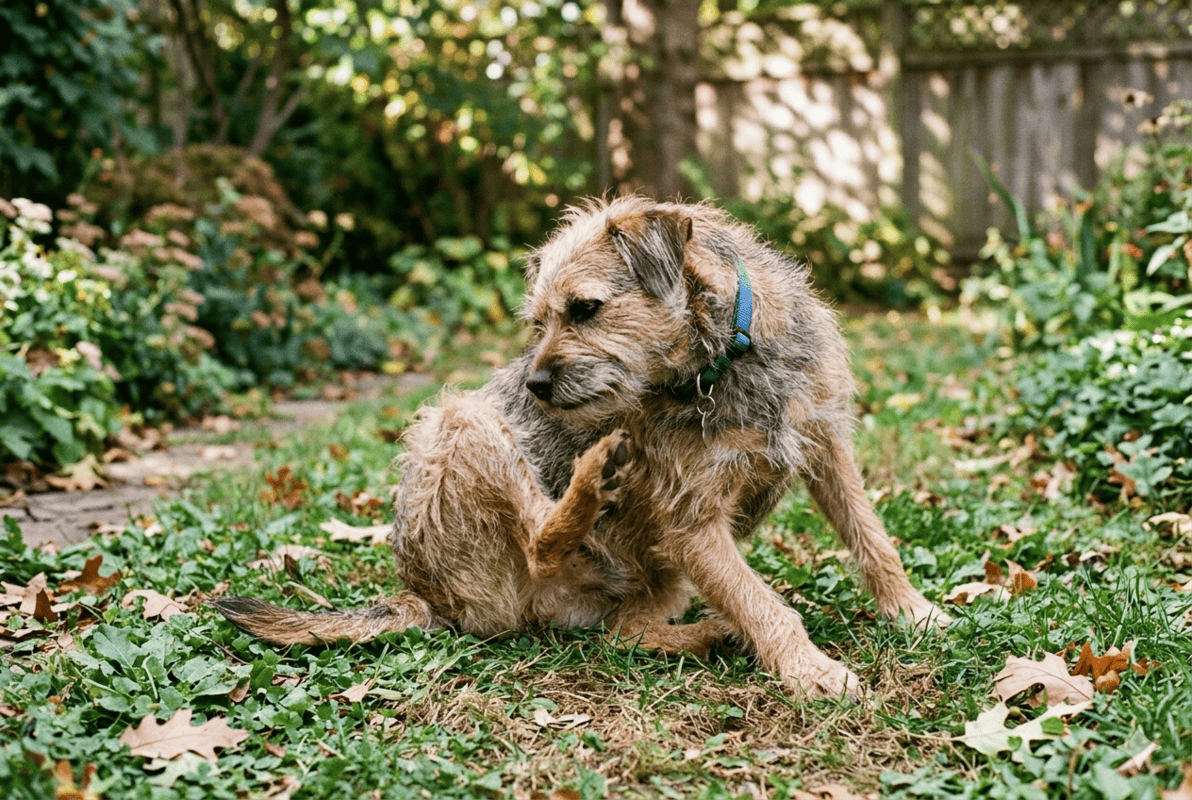
You might notice symptoms like head shaking, scratching, redness, or a bad smell. These are early warning signs that something is wrong. Ignoring them or trying to fix them with improper cleaning methods can make things worse.
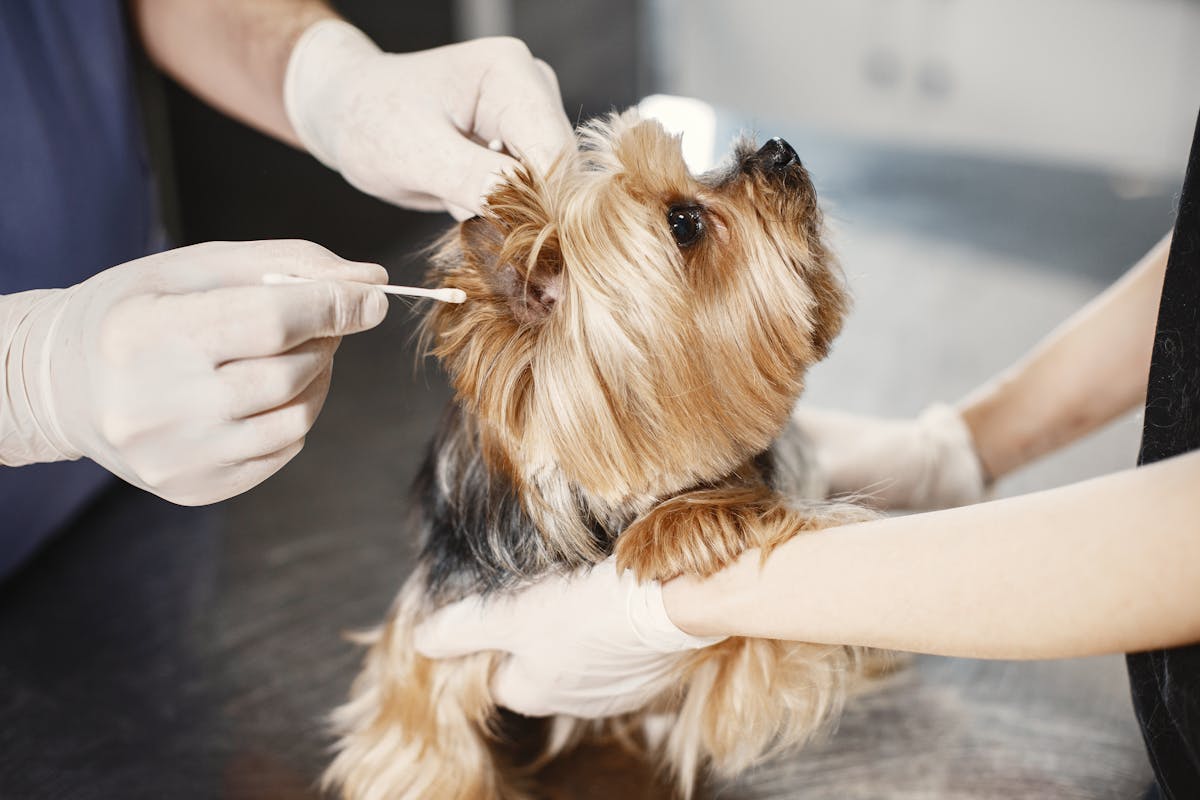
One of the biggest mistakes dog owners make is using cotton swabs inside their dog’s ears. It might feel like the easiest way to clean, but it is actually dangerous. Cotton swabs can push wax and debris deeper into the ear canal, leading to blockages and infections.
There is also a risk of damaging the ear drum if the swab goes too far. Dogs can suddenly move their heads, which increases the chances of injury. Even a small mistake here can cause serious pain or long-term damage.
You might think that cleaning your dog’s ears often keeps them healthy, but over-cleaning can actually do the opposite. Dogs naturally produce ear wax, which helps protect their ears from dirt and bacteria.
When you clean too frequently, you strip away this natural barrier. This can lead to dryness, irritation, and increased risk of infection. It is similar to washing your hands too often and ending up with dry, cracked skin.
Another common mistake is using human ear drops, alcohol, or hydrogen peroxide on dogs. These products are not designed for canine ears and can cause irritation or even chemical burns.
Dogs have a different pH balance in their ears compared to humans. Using the wrong products can disrupt this balance and create an environment where bacteria thrive.
Many owners try to clean their dog’s ears when they notice symptoms like odor or discharge. But if an infection is already present, cleaning alone will not fix the problem. In fact, it can make it worse.
Cleaning an infected ear without proper treatment can push bacteria deeper and increase inflammation. It can also cause pain for your dog, making them anxious or aggressive during grooming.
If you notice signs of infection, it is better to consult a vet instead of trying to handle it yourself.
Applying ear cleaning solution might seem simple, but doing it incorrectly can reduce its effectiveness. Some owners just drop a small amount into the ear without massaging it properly.
The solution needs to reach deep into the ear canal to break down wax and debris. Without proper application, it just sits on the surface and does very little.
You should gently massage the base of the ear after applying the solution. This helps distribute it evenly and loosens dirt inside the canal.
Moisture is one of the biggest enemies of a dog’s ears. After cleaning, if the ears are not dried properly, it creates the perfect environment for bacteria and yeast to grow.
Using a clean, dry cloth to remove excess moisture can make a huge difference in preventing problems.
DIY ear cleaning solutions are popular, but they can be risky if you don’t know what you are doing. Ingredients like vinegar or alcohol can irritate sensitive ears if used in the wrong concentration.
While some homemade remedies may work in certain cases, they are not always safe for every dog. Each dog has different sensitivities and health conditions.
It is always better to stick with vet-approved products unless you have professional guidance.
Dogs cannot tell you when something is wrong, but their behavior can give you clues. If your dog suddenly resists ear cleaning, whines, or tries to run away, it could be a sign of discomfort or pain.
Head shaking, scratching, or rubbing their ears against furniture are also warning signs. These behaviors often indicate irritation or infection caused by improper cleaning.
Pay attention to these signals. They are your dog’s way of communicating that something is not right.
Physical signs are easier to spot if you know what to look for. Redness, swelling, discharge, or a strong odor are clear indicators of a problem.
You might also notice scabs or hair loss around the ears. These symptoms should never be ignored, as they can worsen quickly if left untreated.
Early detection can prevent serious complications and keep your dog comfortable.
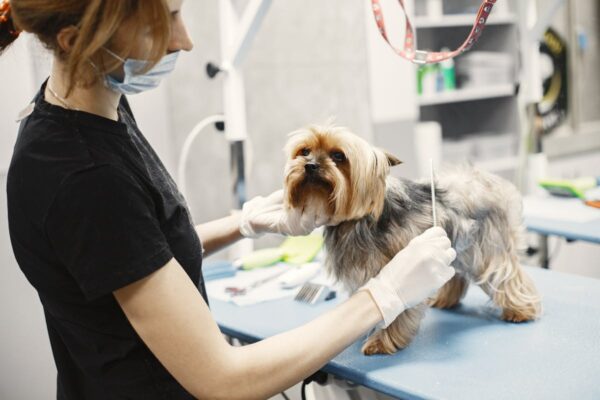
Cleaning your dog’s ears the right way is not complicated, but it does require patience. Start by choosing a quiet place where your dog feels comfortable.
Apply a vet-approved ear cleaning solution into the ear canal. Gently massage the base of the ear for about 20 to 30 seconds. This helps loosen dirt and wax inside.
Let your dog shake their head, as this naturally helps remove debris. Then use a soft cloth or cotton pad to wipe away the visible dirt from the outer ear. Avoid going too deep inside.
Consistency and gentle handling are key. The goal is to clean without causing stress or injury.
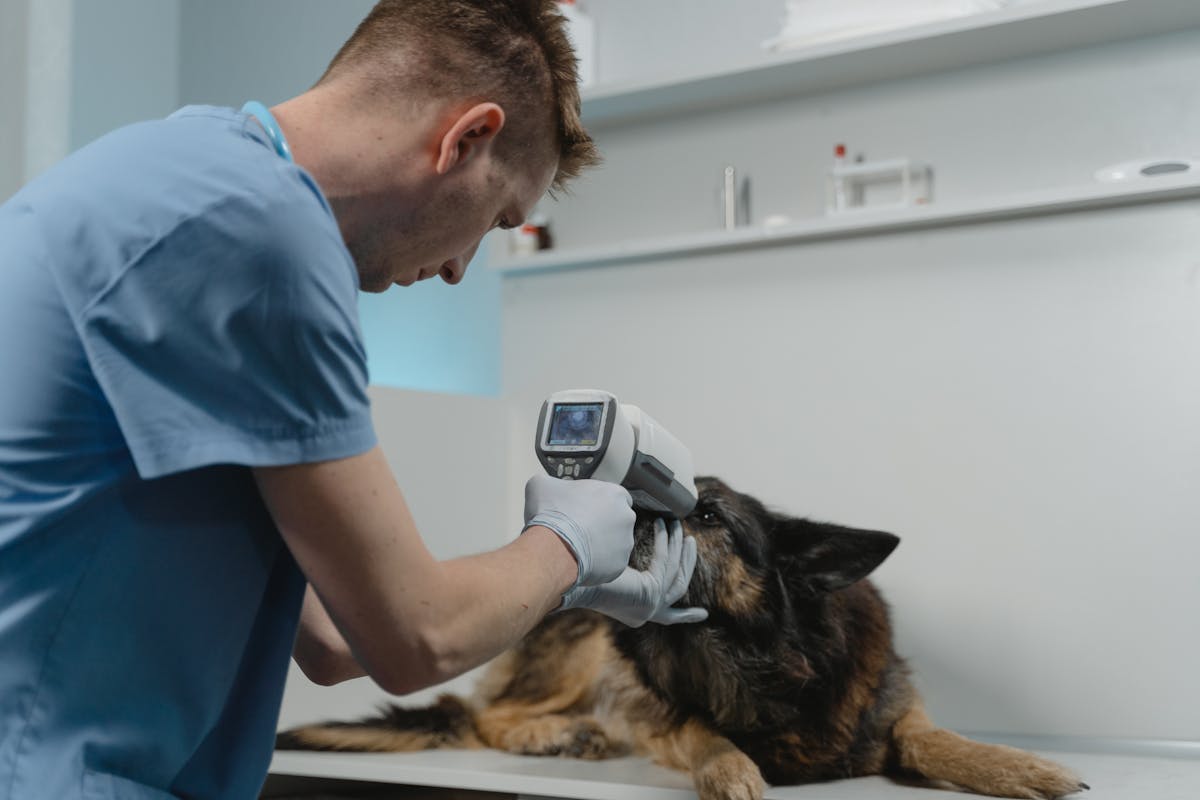
There are times when cleaning your dog’s ears is not the right solution. If your dog shows signs of severe infection, pain, or bleeding, it is best to seek professional help.
Trying to clean in these situations can worsen the condition and delay proper treatment. Vets can diagnose the underlying issue and provide the right medication.
Prevention is always better than cure. Regular checks can help you catch problems early before they become serious.
Keep your dog’s ears clean and dry, especially after baths or swimming. Trim excess hair around the ears if needed, as it can trap moisture and dirt.
Creating a simple routine can go a long way in maintaining ear health.
Your dog’s overall health plays a role in ear conditions. Poor diet or allergies can increase the risk of infections.
Feeding a balanced diet and maintaining good hygiene supports a strong immune system. This helps your dog fight off bacteria and stay healthy.
Healthy ears start with a healthy lifestyle.
Taking care of your dog’s ears might seem like a small task, but it has a big impact on their overall health and comfort. Many common ear cleaning mistakes come from good intentions, but lack of knowledge can lead to serious problems. From using cotton swabs to over-cleaning or ignoring early signs of infection, these errors can easily harm your dog if not corrected.
Most dogs need ear cleaning every 2 to 4 weeks, but it depends on their breed and lifestyle. Dogs with floppy ears may need more frequent checks.
It is not recommended. Baby wipes may contain chemicals that can irritate your dog’s ears.
Using a vet-approved ear cleaner and a soft cloth is the safest method. Avoid inserting anything deep into the ear.
It could be due to past discomfort, sensitivity, or an underlying infection. Always handle gently and check for signs of pain.
It helps reduce the risk, but it cannot prevent all infections. Regular checks and proper care are essential.
"*" indicates required fields