Menu
Download our Petland App today for information on your local Petland's Available Pets and Pet Supplies. All at the tips of your fingers!


Download our Petland App today for information on your local Petland's Available Pets and Pet Supplies. All at the tips of your fingers!
Please create a free account below, or login by clicking here.
Petland Overland Park, Kansas
May 18, 2026
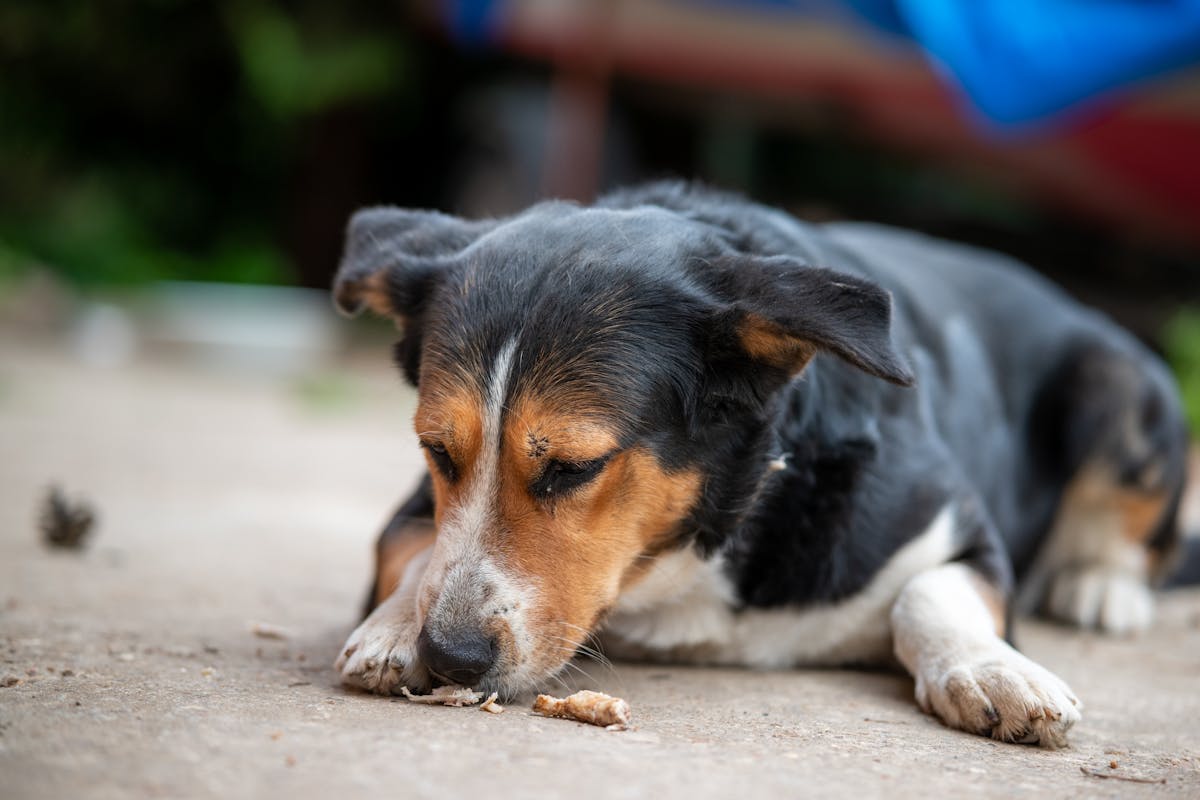
Seeing your dog ignore a food bowl can feel strange and worrying at the same time. Most dogs act like tiny vacuum cleaners around food, so when they suddenly refuse to eat, it grabs your attention immediately. Some dogs skip meals for harmless reasons, while others stop eating because something deeper is bothering them. Understanding the real causes behind a dog not eating can help you react quickly before the problem grows bigger.
Dogs can lose their appetite for many reasons. Stress, stomach problems, dental pain, sudden food changes, and illness are some of the most common triggers. Sometimes the issue is temporary, like a child refusing vegetables for a day. Other times, appetite loss acts like a warning light flashing on a car dashboard. It tells you something inside the body may not be working correctly.
Dogs occasionally skip meals without having a serious medical problem. Hot weather, excitement, travel, or minor stress can temporarily reduce appetite. Some dogs simply become picky eaters after getting too many treats or table scraps. If your dog still drinks water, acts playful, and behaves normally, the issue may be mild.
However, persistent appetite loss should never be ignored. Dogs rely on food not only for energy but also for maintaining immune function and overall health. A dog refusing food for more than 24 hours may become weak or dehydrated quickly, especially puppies and senior dogs.
It helps to pay attention to the bigger picture. Is your dog sleeping more than usual? Hiding? Vomiting? Losing weight? Appetite changes combined with other symptoms often reveal that something more serious is happening. Think of appetite like a dog’s emotional thermometer. When they feel physically or emotionally unwell, eating is usually one of the first things affected.
Dogs experience emotional stress much more deeply than many owners realize. Changes in routine, loud noises, moving homes, separation anxiety, or introducing a new pet can affect appetite. Some dogs stop eating because their environment suddenly feels unfamiliar or overwhelming.
Imagine trying to eat a big meal while feeling nervous before an important exam. Dogs react similarly when stressed. Anxiety can upset the digestive system and reduce hunger naturally. Fireworks, thunderstorms, or even visitors in the house may trigger temporary appetite loss in sensitive dogs.
In many cases, stressed dogs begin eating again once they feel safe and relaxed. Keeping routines consistent, creating a calm environment, and offering gentle reassurance often helps reduce anxiety-related appetite problems.
Dogs have sensitive digestive systems. Switching food too quickly can confuse the stomach and reduce appetite. A new flavor, texture, or ingredient may feel unfamiliar, especially for picky eaters.
Some owners unknowingly create feeding problems by offering too many treats or human foods. Once dogs discover chicken, cheese, or leftovers, regular kibble may suddenly seem boring. It’s like giving a child candy every day and expecting broccoli to stay exciting.
Gradual food transitions work best. Mixing small amounts of new food into the old diet over several days helps the digestive system adjust naturally.
Dental problems are one of the hidden reasons behind a dog not eating. Broken teeth, swollen gums, mouth injuries, or infections can make chewing painful. Some dogs approach food eagerly but walk away after taking one bite because eating hurts.
Signs of dental trouble may include drooling, bad breath, pawing at the mouth, or chewing only on one side. Older dogs are especially vulnerable because dental disease becomes more common with age.
Soft food, dental care, and veterinary treatment can often solve these issues quickly once the pain source is identified.
Upset stomachs can instantly destroy a dog’s appetite. Eating spoiled food, swallowing foreign objects, or experiencing digestive infections often causes nausea and discomfort. Dogs with digestive problems may also vomit, have diarrhea, or appear bloated.
Some dogs develop temporary stomach irritation after eating grass, garbage, or unfamiliar snacks. Others suffer from chronic digestive conditions that require medical attention.
A bland diet like boiled chicken and rice is sometimes recommended for mild stomach upset, but prolonged appetite loss should always be evaluated professionally.
Several health conditions directly affect hunger levels in dogs. Infections and fever often make dogs tired and unwilling to eat. Just like humans lose appetite during the flu, dogs may avoid food when fighting illness.
Parasites are another common issue. Worms steal nutrients from the body and irritate the digestive tract. Puppies with parasites may eat poorly, lose weight, or develop swollen bellies.
More serious illnesses like kidney disease, liver disease, or pancreatitis can also reduce appetite dramatically. These conditions often develop gradually, making subtle signs easy to miss at first.

Helping a dog regain appetite starts with understanding the cause. If the issue appears mild, small changes at home may encourage eating again. Warming food slightly can improve smell and make meals more appealing. Adding low-sodium broth or mixing wet food with dry kibble also helps many picky eaters.
Creating a calm feeding area matters too. Dogs may avoid eating in noisy or stressful environments. Feeding at regular times each day helps build routine and predictability.
Exercise can naturally stimulate hunger as well. A short walk before meals often encourages appetite because physical activity boosts metabolism.
Here are some simple tips that may help:
Patience is important. Constantly changing foods every few hours may confuse dogs further and encourage picky eating habits.
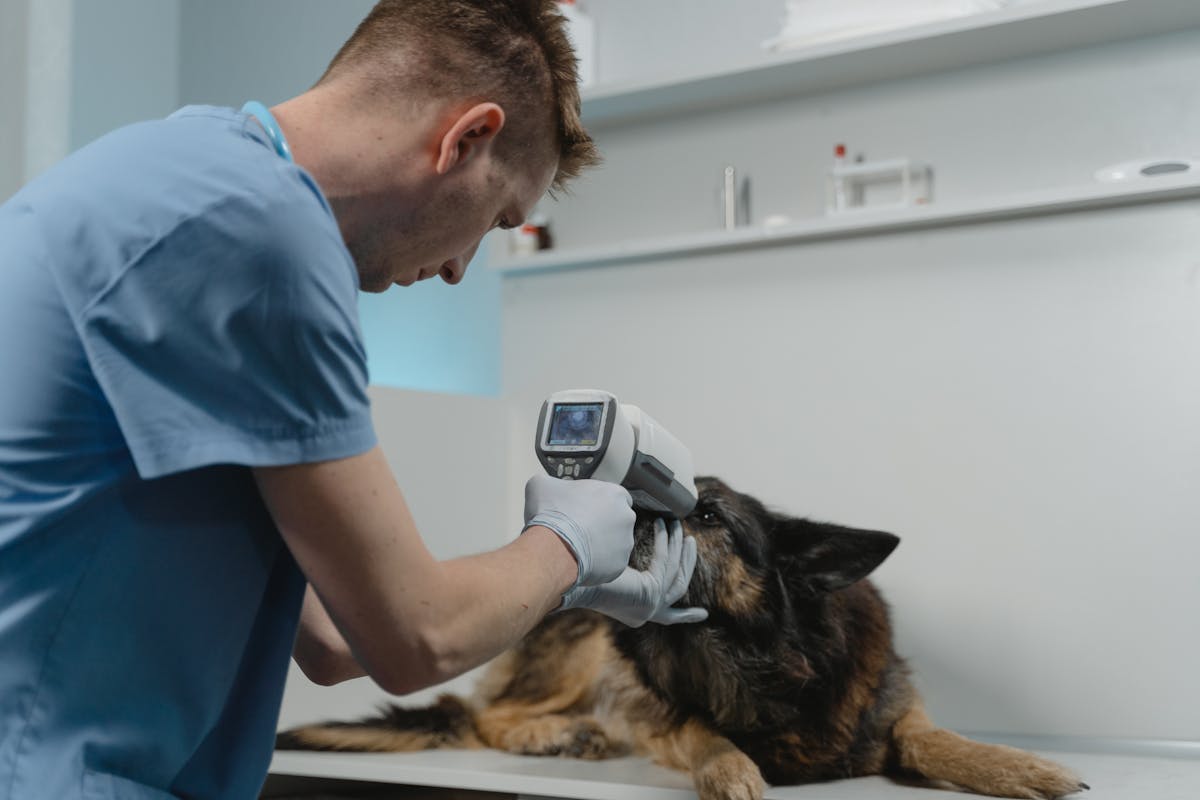
Some situations require immediate veterinary attention. If your dog refuses food for more than 24 hours and also shows vomiting, diarrhea, weakness, or breathing difficulty, it is time to seek professional help.
Puppies, senior dogs, and dogs with medical conditions are especially vulnerable because dehydration and low blood sugar develop faster. Sudden appetite loss combined with bloating can also signal dangerous conditions like gastric torsion, which requires emergency treatment.
Watch for these warning signs carefully:
Trust your instincts as a pet owner. If something feels unusual, it is always safer to contact a veterinarian early rather than wait too long.
Preventing feeding problems starts with maintaining a stable routine. Dogs thrive on consistency. Feeding meals at the same times daily helps regulate digestion and hunger naturally.
A balanced diet also plays a huge role. High-quality dog food supports digestive health, energy levels, and immune function. Overfeeding treats or table scraps often creates picky eating habits over time.
Stress management matters more than many owners realize. Dogs feel emotional tension deeply, and chaotic environments can affect appetite quickly. Daily exercise, mental stimulation, and affection all contribute to emotional balance and healthy eating patterns.
Most importantly, pay attention to changes early. Dogs rarely stop eating “for no reason.” Appetite loss is usually the body’s way of signaling discomfort or imbalance somewhere inside.
A dog not eating can feel alarming, but the cause is not always serious. Stress, food changes, dental pain, digestive issues, and illness are some of the most common reasons dogs lose their appetite. Sometimes the problem passes quickly with simple home care, while other situations require veterinary treatment.
The key is observing your dog closely. Changes in energy, behavior, or bathroom habits often provide clues about what’s really happening. Fast action and proper care can prevent small issues from becoming major health problems.
Most healthy dogs can go one or two days without food, but appetite loss lasting over 24 hours should be monitored closely.
This may happen with stress, nausea, dental pain, or illness. If it continues, veterinary advice is recommended.
Yes. Anxiety, loud noises, moving homes, or routine changes can temporarily reduce appetite.
No. Force-feeding may create stress and worsen the situation. It is better to identify the cause first.
Plain boiled chicken, rice, pumpkin, or warmed wet food may help stimulate appetite temporarily.
"*" indicates required fields