Menu
Download our Petland App today for information on your local Petland's Available Pets and Pet Supplies. All at the tips of your fingers!


Download our Petland App today for information on your local Petland's Available Pets and Pet Supplies. All at the tips of your fingers!
Please create a free account below, or login by clicking here.
Petland Overland Park, Kansas
May 22, 2026
Taking your dog on a road trip sounds exciting until you’re three hours into the drive and your pup suddenly decides the backseat is their personal playground. One minute they’re happily staring out the window, and the next they’re stepping on your shoulder, whining for snacks, or trying to climb into the front seat like a tiny furry co-pilot. That’s why planning ahead matters. A successful trip with your dog isn’t about luck. It’s about preparation, patience, and understanding how your pet reacts to long hours on the road.
Dogs experience the world differently than humans. While we admire landscapes and tourist attractions, dogs focus on scents, movement, and new environments. To your dog, a road trip feels like an endless stream of exciting discoveries. Every rest stop introduces fresh smells. Every park becomes an adventure zone. Even a random roadside field can seem magical to a curious dog.
Road trips also strengthen the bond between pets and owners. Dogs naturally enjoy spending time with their humans, and long drives create constant companionship. Think about how dogs react when they hear the word “walk.” Now imagine that excitement multiplied across an entire vacation. That’s why so many dogs become energized during travel.
One reason dogs enjoy traveling is mental stimulation. New places challenge their senses and keep them engaged. Dogs love routines, but they also crave exploration. A road trip combines both. Your dog stays with their favorite person while experiencing an entirely different environment.
Mental stimulation can actually reduce boredom-related behavior problems. Dogs stuck at home for long periods sometimes become destructive because they lack excitement. During road trips, their brains stay active. New sounds, changing scenery, and outdoor walks create positive energy that keeps them entertained throughout the journey.
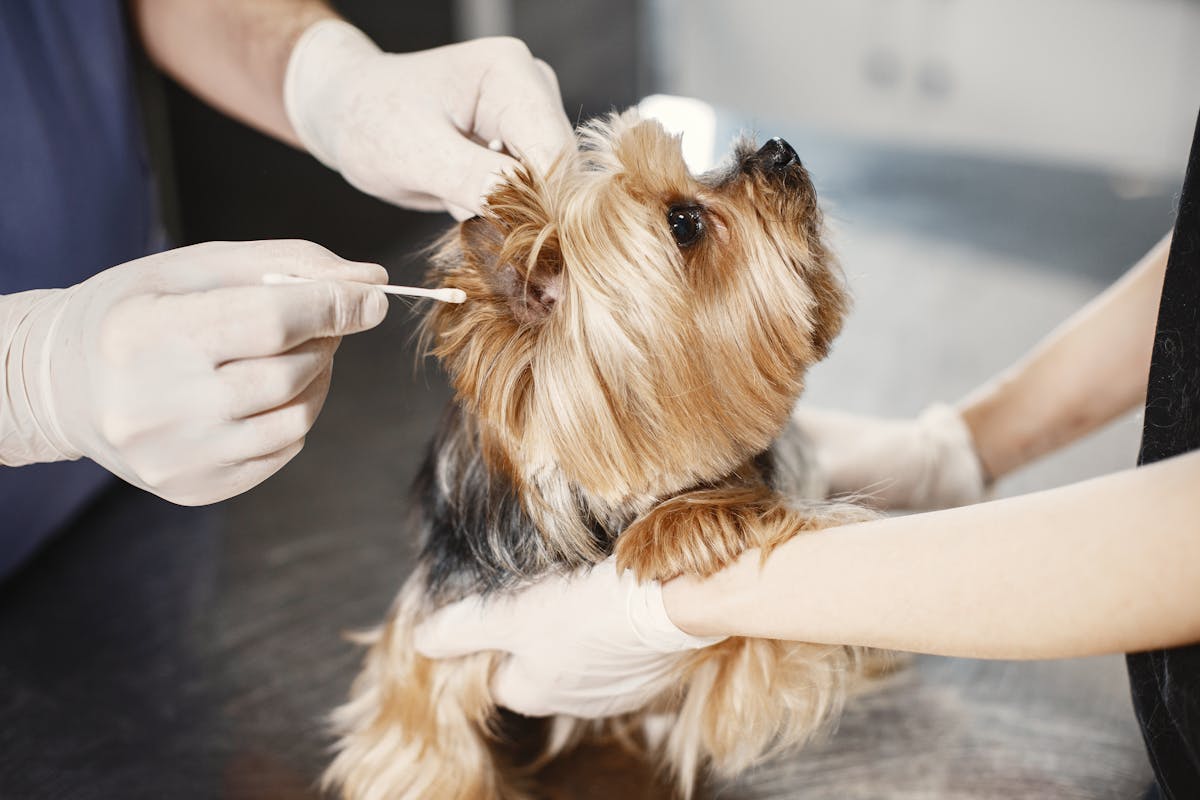
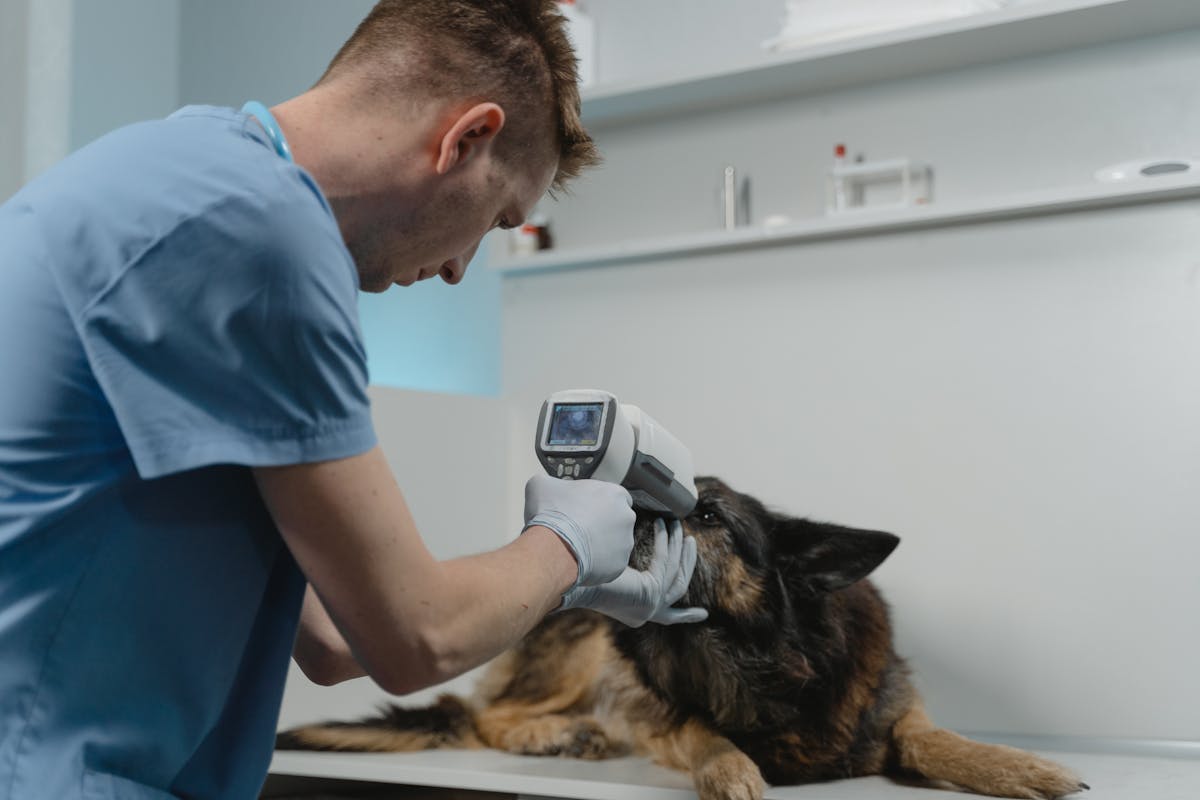
Before packing your bags, schedule a quick vet appointment. This step often gets ignored, but it’s one of the smartest road trip with dog tips you can follow. Your vet can confirm your dog is healthy enough for travel and recommend solutions for anxiety or motion sickness if needed.
Make sure vaccinations are updated, especially if you’ll stay in hotels or visit public parks. Carry copies of medical records and emergency contact numbers just in case something unexpected happens. You should also check your dog’s ID tags and microchip details before leaving home. Losing a pet in an unfamiliar area can become every owner’s nightmare within seconds.
Some dogs may need medications during travel. Others might require calming supplements. Knowing these things before the trip helps avoid panic later.
If your dog only rides in the car occasionally, don’t surprise them with a ten-hour journey overnight. Start small. Take short drives around town to help your dog become comfortable inside the vehicle. Gradually increase travel time over several days or weeks.
Reward calm behavior with treats and praise. This teaches your dog to associate car rides with positive experiences instead of stress. Dogs learn through repetition, so consistency matters. The goal is to make the vehicle feel familiar rather than intimidating.
Bring enough food for the entire trip plus extra in case delays happen. Sudden diet changes can upset your dog’s stomach, so sticking to their regular food is important. Portable storage containers help keep food fresh and organized during travel.
Water matters even more during long drives. Dogs can become dehydrated faster than many owners realize, especially during warm weather. Offer water regularly during stops and avoid waiting until your dog looks thirsty.
Comfortable dogs behave better during road trips. A soft blanket, chew toy, or familiar bed can completely change your dog’s mood inside the car. These items act like emotional security blankets during stressful moments.
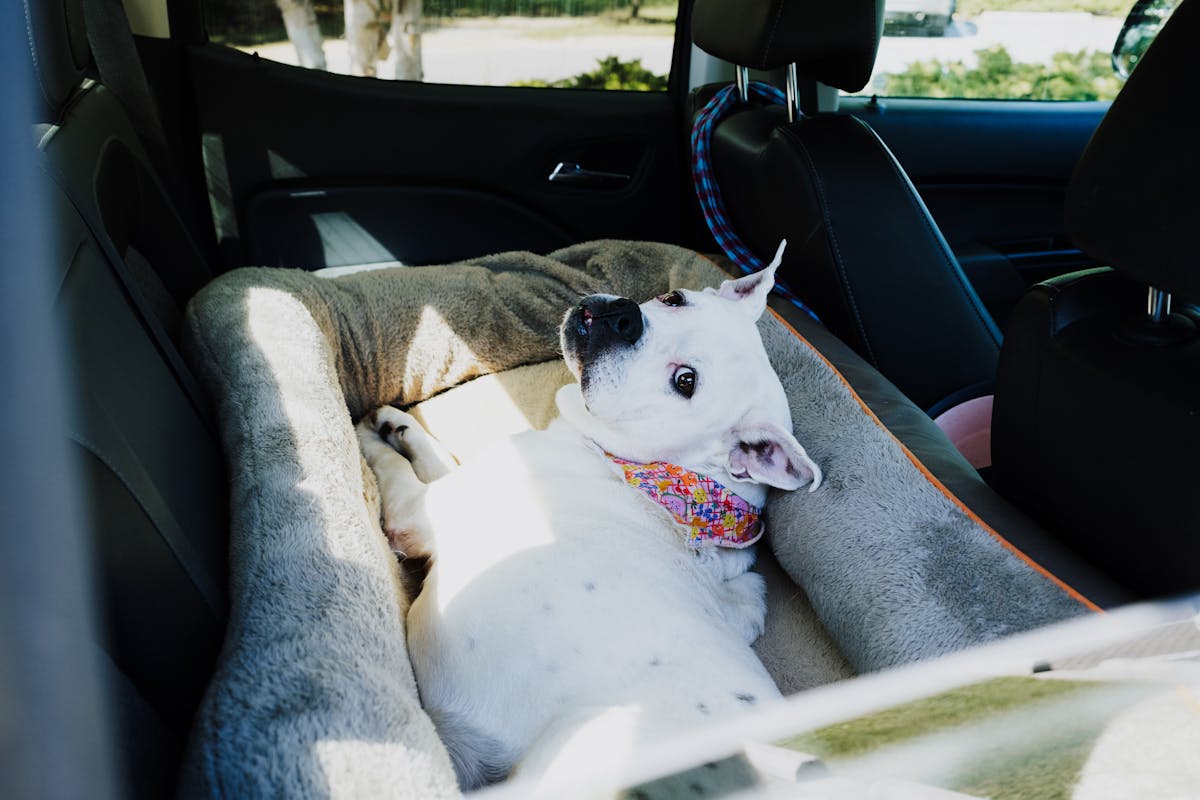
Safety gear is equally important. Dog seat belts, harnesses, or travel crates prevent distractions and reduce injury risks during sudden stops. Letting your dog roam freely around the vehicle may seem harmless, but it can become dangerous instantly during emergencies.
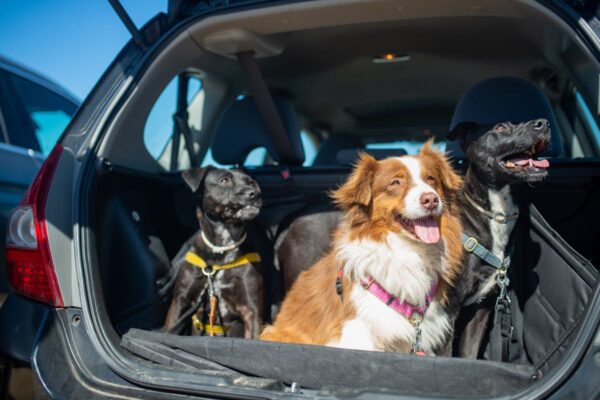
Imagine trying to drive while a 60-pound dog suddenly jumps into your lap because they saw another dog outside. Sounds chaotic, right? That’s why restraints matter. Proper safety systems protect both pets and drivers.
Small dogs usually travel best in secured carriers or booster seats. Larger dogs often feel more comfortable wearing crash-tested harnesses attached to seat belts. Some dogs prefer crates because enclosed spaces feel safe and calming.
No matter what system you choose, your dog should stay secure without feeling trapped. Comfort and safety need to work together.
One of the biggest mistakes owners make is letting dogs stick their heads fully outside windows. It may look adorable in photos, but debris, dust, or insects can injure your dog’s eyes. Keeping windows slightly open for airflow is safer.
Never leave your dog alone inside a parked vehicle, even for a few minutes. Cars heat up incredibly fast, especially during summer. What feels “not too hot” for humans can quickly become dangerous for pets.
Avoid feeding large meals before driving because motion sickness becomes more likely on a full stomach.
Dogs cannot verbally say they’re uncomfortable, so owners must notice behavioral changes. Excessive drooling, shaking, whining, panting, or pacing often indicate stress or nausea. Some dogs become unusually quiet, while others bark nonstop.
Travel anxiety can happen even in normally calm dogs. Loud trucks, unfamiliar roads, and constant movement may overwhelm sensitive pets. Recognizing stress early allows you to respond before things worsen.
Exercise helps tremendously before long drives. A tired dog usually travels more calmly than an energetic one. Taking your dog for a long walk before departure burns nervous energy and encourages relaxation.
Soft music can also create a calmer environment inside the car. Some owners even use anxiety wraps or vet-approved calming treats for extra support. Keep your own energy relaxed too. Dogs read human emotions surprisingly well. If you stay tense and frustrated, your dog will notice immediately.
Dogs need regular movement during road trips. Sitting in one position for hours becomes uncomfortable and frustrating. Plan breaks every two to three hours so your dog can stretch, walk, and relieve themselves.
Bathroom stops are also opportunities for mental stimulation. Dogs explore the world through scent, so allowing them time to sniff around helps reduce stress and boredom.
Feeding routines should remain consistent during travel. Dogs feel more secure when their schedule stays familiar. Instead of giving one huge meal, offer smaller portions throughout the day. This reduces the chances of nausea during long drives.
Hydration should never be ignored. Carry portable water bottles and collapsible bowls for convenience. If your dog refuses to drink, encourage hydration with small amounts offered frequently instead of large bowls all at once.
Treats work well as travel rewards, but moderation matters. Overfeeding during road trips can upset digestion and create unnecessary discomfort.
A hotel stay with a dog becomes easier when owners stay respectful and prepared. Bring your dog’s bed or blanket so the room feels familiar and comforting. Dogs settle faster when they recognize familiar scents.
Keep barking under control because not every hotel guest loves dogs. If your pet suffers from separation anxiety, avoid leaving them alone in the room. Constant barking can quickly lead to complaints.
Clean up after your dog immediately and follow hotel rules carefully. Responsible pet owners help maintain positive attitudes toward dog-friendly accommodations everywhere.
One major mistake is assuming dogs automatically enjoy long car rides. Some dogs need gradual training before handling extended travel comfortably. Another mistake is skipping breaks to save time. Dogs need movement and mental stimulation just like humans do.
Owners also underestimate weather conditions. Hot vehicles, freezing temperatures, or rough terrain can affect dogs more quickly than expected. Planning ahead reduces risks dramatically.
Road trips with dogs can become some of the happiest memories you ever create together. Your dog doesn’t care about expensive destinations or perfect travel photos. They simply enjoy being beside you during the adventure. That loyalty and excitement are what make traveling with pets feel so special.
By following smart road trip with dog tips, you can reduce stress, improve safety, and make the entire experience more enjoyable for everyone involved. Preparation, patience, and understanding your dog’s needs are the real secrets behind a successful journey.
At the end of the day, your dog won’t remember the hotel room or highway route. They’ll remember the excitement, the walks, the smells, and most importantly, spending time with you.
Most dogs should get a break every two to three hours for bathroom visits, hydration, and exercise.
Pack food, water, bowls, leash, waste bags, medications, blankets, toys, and safety restraints.
Yes, many dogs experience motion sickness, especially younger pets or dogs unfamiliar with long drives.
Yes, as long as the hotel allows pets and owners follow proper pet etiquette.
Using crash-tested harnesses, secured crates, or pet seat belt systems is the safest option.
"*" indicates required fields