Menu
Download our Petland App today for information on your local Petland's Available Pets and Pet Supplies. All at the tips of your fingers!


Download our Petland App today for information on your local Petland's Available Pets and Pet Supplies. All at the tips of your fingers!
Please create a free account below, or login by clicking here.
Petland Overland Park, Kansas
July 31, 2026
If you are a dog owner, one question often comes up when discussing pet safety: what happens if your dog gets lost? This is exactly where dog microchipping becomes incredibly important. Dog microchipping is a simple identification method that involves placing a tiny electronic chip under your dog’s skin. The chip is about the size of a grain of rice and is usually implanted between the shoulder blades. Unlike collars or tags that can fall off, this chip stays with your dog for life.
The microchip itself does not contain GPS or tracking capabilities. Instead, it holds a unique identification number that is linked to your contact information in a pet recovery database. When a veterinarian or animal shelter scans the chip with a special scanner, the identification number appears on the screen. They can then access the database and contact the registered owner. This simple technology has changed the way lost pets are identified and returned to their families.
Many pet owners assume the microchip stores personal details like addresses or phone numbers directly inside the chip. In reality, the chip only contains a unique identification number. That number connects to a database where the owner’s contact details are stored. When someone scans the chip, they retrieve the ID number and use it to look up the owner in the system.
This process is extremely secure and protects your personal information. Veterinarians, shelters, and animal control officers are trained to scan pets whenever they find a lost animal. Once the chip number is detected, they can quickly access the correct registry and contact the owner. This system allows lost pets to return home much faster than relying on physical tags alone.

Many dog owners believe their pets will never get lost, but statistics tell a different story. Pets escape from homes, slip out of yards, or get frightened by loud noises like fireworks and run away. According to pet recovery research, millions of pets go missing each year.
Even more interesting is the fact that many lost pets are found very close to home. Research indicates that a large percentage of pets are located within just a few miles of where they disappeared. The challenge is identifying the animal and finding its owner quickly. A microchip makes that process much faster and more reliable.
Imagine someone finds your lost dog wandering around their neighborhood. Without a tag or identification, the finder may not know where the dog belongs. They might take the dog to a shelter or veterinarian. This is where dog microchipping makes a huge difference.
Shelters and clinics routinely scan animals for microchips when they arrive. If a chip is detected, staff members immediately look up the owner’s information and make contact. This process can reunite pets with their families within hours. Without a microchip, identifying the dog may be nearly impossible.
Many dog owners hesitate because they worry the microchipping procedure might be painful or complicated. The truth is that the process is extremely quick and simple. In most cases, the microchip is implanted during a regular veterinary visit, often at the same time as routine vaccinations.
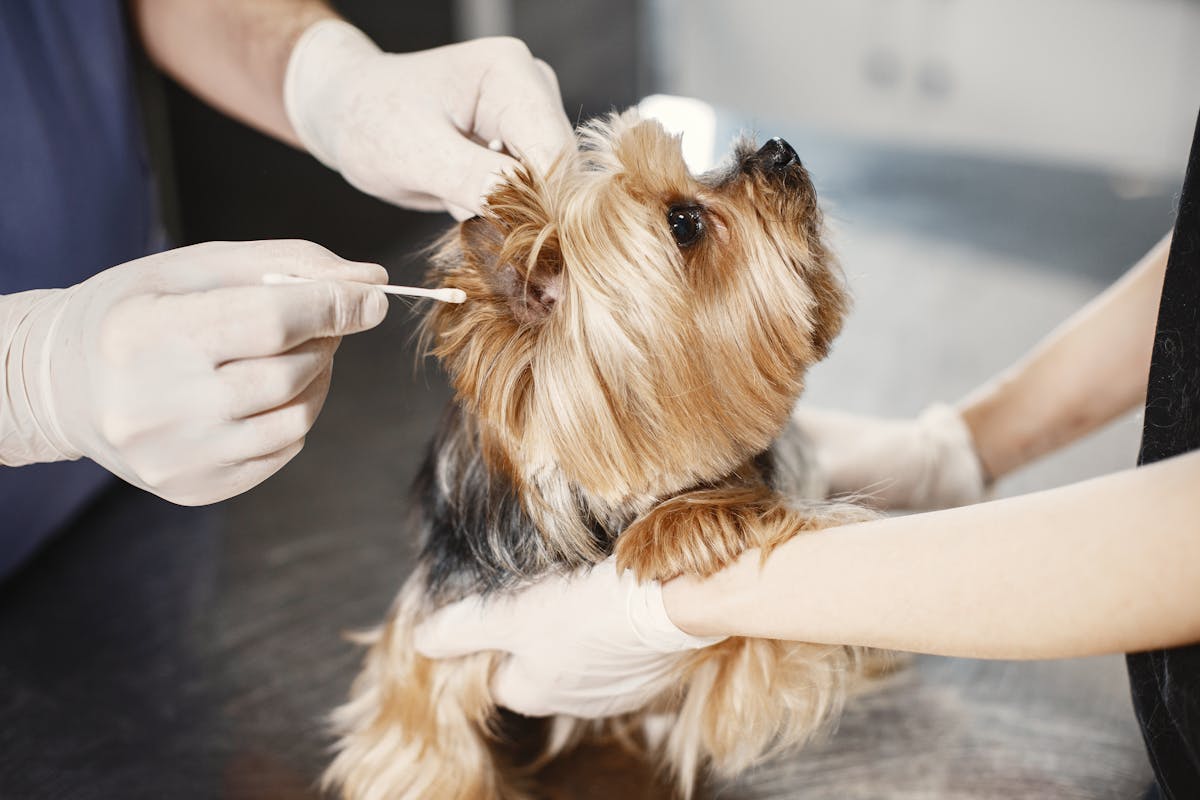
The veterinarian uses a special syringe to insert the microchip just beneath the dog’s skin. The process takes only a few seconds and does not require surgery or anesthesia. Most dogs react the same way they would during a vaccination shot. After the chip is inserted, the vet scans it to confirm it is functioning properly.
Once the chip is active, the owner must register the microchip number with a pet recovery database. This step is crucial because the chip alone does not contain personal information. Registration connects the identification number with the owner’s name, phone number, and address.
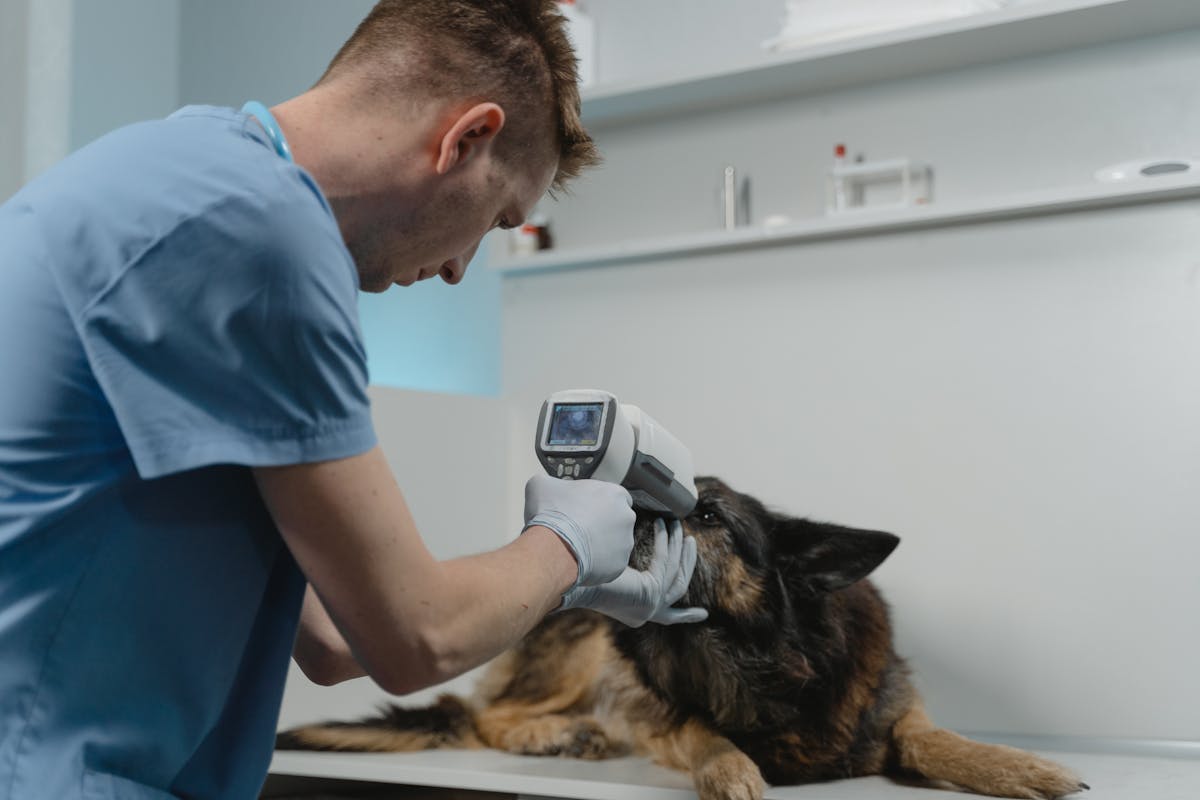
If someone finds your dog and takes it to a shelter or veterinary clinic, the first step is usually scanning for a microchip. The scanner detects the chip’s radio frequency and displays the identification number. Staff members then search the registry to locate the owner’s contact details.
If the information is correct and up to date, the shelter can quickly call or email the owner. In many cases, this leads to a reunion within the same day. Without a microchip, shelters may have no way of identifying the animal’s home.
This system works because the chip provides permanent identification. Unlike tags that may be removed or damaged, the microchip remains under the skin and continues to function for the dog’s lifetime.
One of the biggest advantages of dog microchipping is permanent identification. Collars and tags can break or fall off during play, grooming, or accidents. A microchip stays with the dog regardless of what happens to external accessories.
Permanent identification is especially important for adventurous dogs that love exploring. Even well-trained pets can wander off when they become curious or frightened. With a microchip, there is always a reliable way to identify them and reconnect them with their family.
Many pet owners rely solely on collars and ID tags. While these are helpful, they are not always dependable. Dogs can slip out of collars, chew on tags, or lose them during rough play. When that happens, the dog becomes anonymous.
A microchip acts as a backup safety system. Even if the collar disappears, the microchip remains in place. This dual identification strategy greatly improves the chances of recovering a lost pet quickly.
Dog microchipping is surprisingly affordable considering the benefits it provides. The average cost typically ranges from $25 to $50, depending on the veterinary clinic or animal shelter. Some shelters even include microchipping in the adoption fee when you adopt a pet.
In addition to the implantation cost, some databases charge a small registration fee. These fees are usually minimal and sometimes optional. Many organizations now offer free registration services to encourage pet owners to keep their animals properly identified.
Microchipping services are widely available and easy to access. Common places where dogs can receive microchips include:
Many communities also host special microchipping events that offer discounted services. These events aim to increase pet safety and reduce the number of lost animals in shelters.
One of the most common misconceptions is that microchips act as GPS trackers. In reality, microchips do not provide real-time location tracking. They simply store an identification number that can be scanned by professionals.
Another myth is that microchipping causes significant pain or long-term discomfort. In truth, the procedure is similar to receiving a vaccine shot. Most dogs barely notice it happening. The chip remains safely under the skin and does not affect the dog’s daily activities.
After your dog receives a microchip, the next step is registration. This process links the chip number to your personal contact information. Without registration, the microchip cannot help identify the owner.
Make sure the information you provide is accurate and complete. Include phone numbers, email addresses, and emergency contacts if possible. This ensures shelters can reach you quickly if your dog is found.
One common mistake pet owners make is forgetting to update their microchip information after moving or changing phone numbers. Studies show that many microchips become ineffective simply because the contact details are outdated.
Whenever you change your address or phone number, update the microchip registry immediately. This simple step keeps your dog’s identification system working properly.
Dog microchipping is one of the simplest and most effective ways to protect your pet. The procedure is quick, affordable, and safe, yet it can make a life-changing difference if your dog ever gets lost. Statistics consistently show that microchipped dogs have significantly higher reunion rates compared to dogs without identification.
Most veterinarians recommend microchipping puppies as early as eight weeks old. Many shelters also microchip pets before adoption.
Microchips are designed to last the lifetime of the pet. They do not require batteries and rarely fail.
In rare cases, the chip may shift slightly from its original location. Veterinarians can still detect it with a scanner.
No. Microchips should be used together with collars and ID tags for maximum safety.
Some countries and regions require dogs to be microchipped by law, while others recommend it strongly but do not mandate it.


"*" indicates required fields