Menu
Download our Petland App today for information on your local Petland's Available Pets and Pet Supplies. All at the tips of your fingers!


Download our Petland App today for information on your local Petland's Available Pets and Pet Supplies. All at the tips of your fingers!
Please create a free account below, or login by clicking here.
Petland Overland Park, Kansas
August 20, 2026
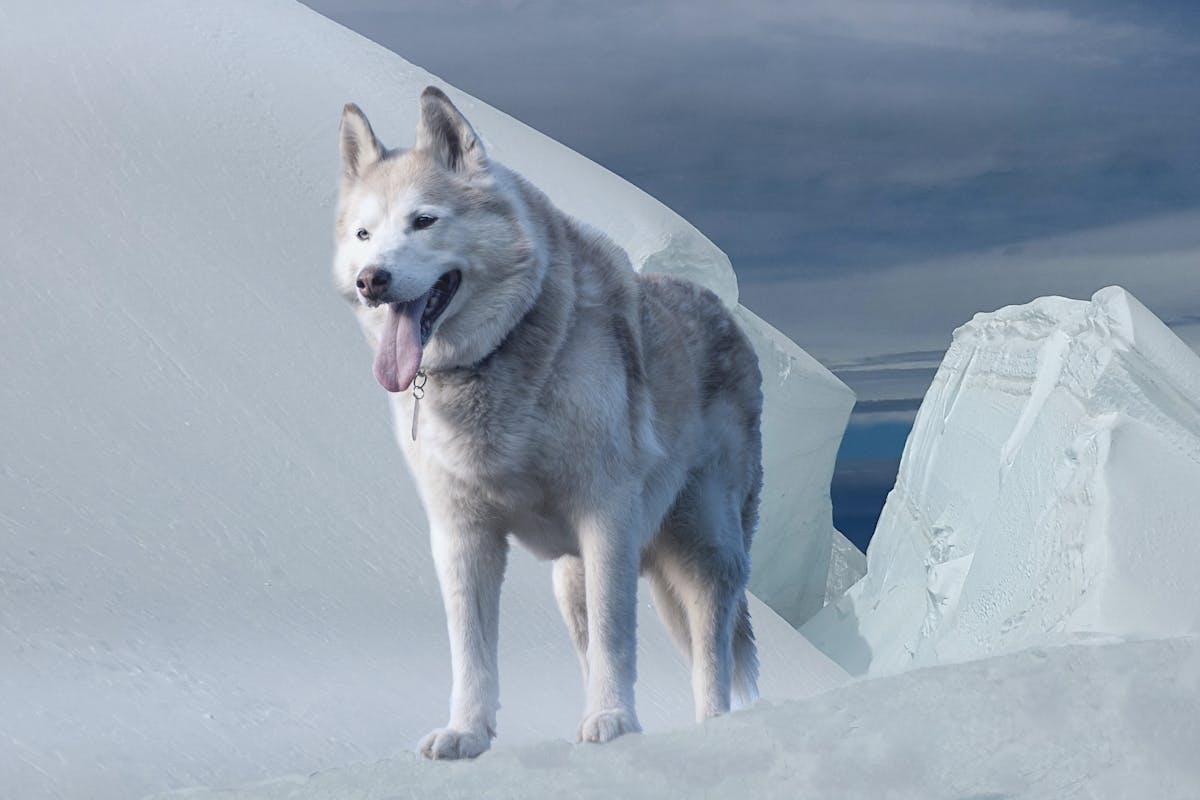
The Siberian Husky is a powerful, energetic, and intelligent breed known for its endurance and striking appearance. Originally bred to pull sleds in harsh Arctic conditions, this dog’s nutritional needs are quite different from those of an average household pet. Feeding your Husky the right way can help maintain its energy levels, coat health, and overall vitality.
In this comprehensive Siberian Husky Feeding Guide, we’ll break down everything you need to know about their diet, ideal meal plans, portion sizes, and nutritional tips to keep your Husky happy and healthy.
Unlike some large breeds, Siberian Huskies have efficient metabolisms. They were bred to survive on minimal food while performing intense physical labor in cold environments. This means your Husky may eat less than you expect but still maintain excellent health and energy.
However, that efficiency also means feeding them high-quality food is vital — poor nutrition can quickly show in their coat, stamina, and mood.
Protein is the cornerstone of your Husky’s diet. It fuels their active lifestyle, builds muscle, and supports tissue repair. Look for dog foods that list real meat (chicken, beef, lamb, or fish) as the first ingredient.
Fats provide sustained energy and keep your Husky’s coat shiny and skin healthy. Omega-3 and Omega-6 fatty acids are especially beneficial.
Great fat sources include salmon oil, flaxseed, and chicken fat.
While Huskies don’t require a high-carb diet, complex carbohydrates provide steady energy. Choose whole grains, sweet potatoes, and brown rice instead of fillers like corn or soy.
Your Husky needs a mix of vitamins (A, B, D, E, K) and minerals (calcium, zinc, phosphorus) for strong bones, a shiny coat, and immune health. A high-quality commercial dog food usually covers these requirements.
Puppies grow rapidly, so they need small, frequent meals packed with nutrients.
Choose a puppy formula rich in protein and DHA for brain development.
Adults should eat twice daily — once in the morning and once in the evening. Adjust portion size depending on activity level.
As they age, Huskies become less active. Switch to a low-fat, high-fiber senior formula to maintain a healthy weight and support joint health.
The ideal amount depends on size, age, and activity level.
A typical adult Husky (weighing 45–60 lbs) eats 2 to 3 cups of high-quality dry food per day, divided into two meals.
Avoid free-feeding — Huskies can be picky eaters and might overeat out of boredom.
Convenient and good for dental health. Choose premium brands with meat as the first ingredient and no artificial additives.
Great for hydration and picky eaters. Combine with dry kibble for texture and variety.
The Biologically Appropriate Raw Food (BARF) diet includes raw meat, bones, and vegetables. It mimics their ancestral diet but requires careful preparation to avoid nutritional imbalance or bacteria.
Homemade diets give you control over ingredients but should be vet-approved to ensure proper nutrient balance.
Here’s a sample daily meal plan for an active adult Husky:
| Meal | Food Type | Details |
| Breakfast | Dry Kibble | 1 cup high-protein kibble with fish oil |
| Lunch | Wet Food | ½ can chicken-based wet food |
| Dinner | Homemade | 1 cup cooked brown rice + lean chicken + carrots |
| Treats | Snacks | Use sparingly – no more than 10% of daily calories |
Certain foods can be toxic or harmful:
Always check ingredients before sharing human food.
Huskies are highly active and prone to dehydration, especially in warmer climates.
Provide fresh, clean water at all times, and monitor their intake — an adult Husky should drink about 1 ounce of water per pound of body weight daily.
Huskies can gain weight if overfed or under-exercised. Maintain a lean, athletic build by:
Consider adding these to your Husky’s diet:
Always consult your vet before starting supplements.
Switch foods gradually over 7–10 days to prevent digestive upset:
Monitor stool and energy levels during the transition.
Feeding your Siberian Husky properly is about balance, quality, and consistency. Their energetic nature and unique metabolism require a nutrient-rich, high-protein diet tailored to their lifestyle.
By understanding your Husky’s individual needs and avoiding common mistakes, you’ll ensure your loyal companion stays strong, healthy, and full of life for years to come.
1. What is the best food for Siberian Huskies?
High-protein, grain-free formulas with meat as the first ingredient are ideal.
2. Can Huskies eat human food?
Yes, in moderation — lean meats and some vegetables are fine, but avoid toxic foods like onions or chocolate.
3. How many times a day should I feed my Husky?
Twice daily for adults, 3–4 times daily for puppies.
4. Do Huskies need supplements?
Not always, but fish oil and glucosamine can support coat and joint health.
5. Why is my Husky a picky eater?
Huskies self-regulate food intake — it’s normal. Ensure food variety and stick to a routine.


"*" indicates required fields