Menu
Download our Petland App today for information on your local Petland's Available Pets and Pet Supplies. All at the tips of your fingers!


Download our Petland App today for information on your local Petland's Available Pets and Pet Supplies. All at the tips of your fingers!
Please create a free account below, or login by clicking here.
Petland Overland Park, Kansas
December 31, 2025
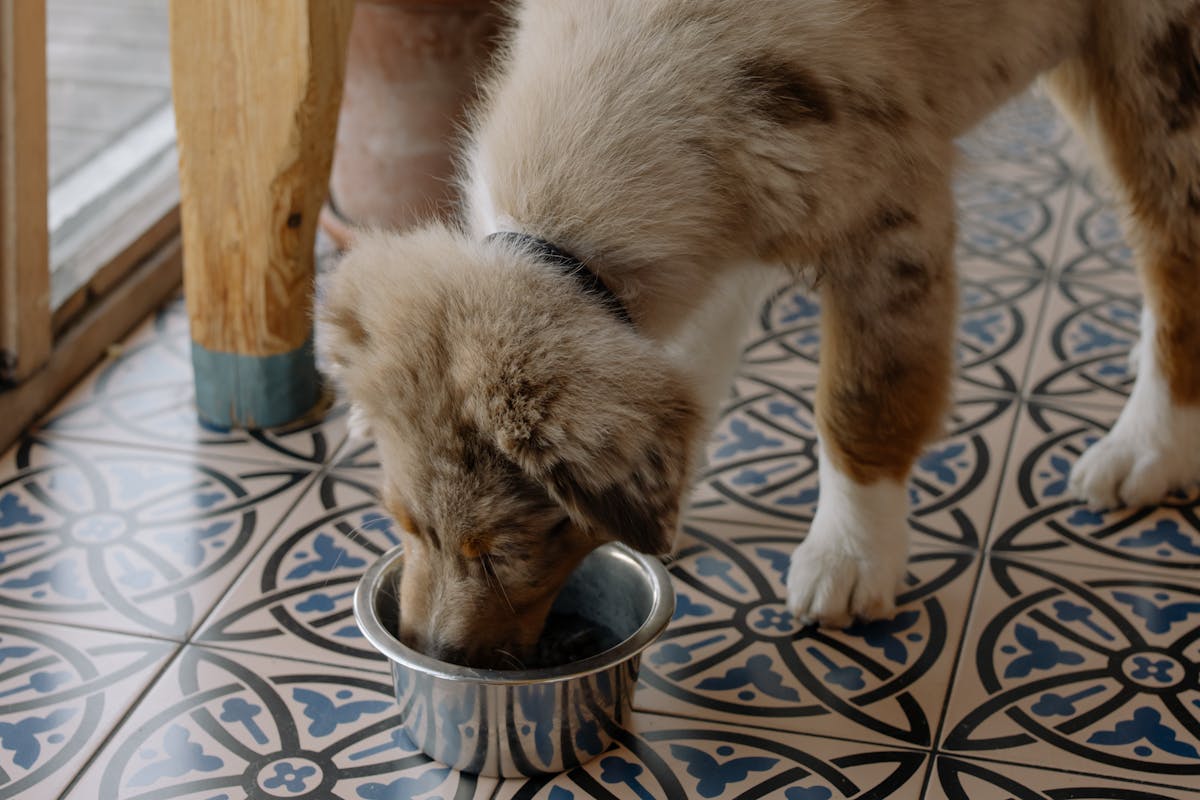
Bringing home a puppy is exciting, but feeding them properly can feel confusing. One wrong move and suddenly your happy little pup has an upset stomach, loose stools, or refuses to eat. Switching puppy food is not just about pouring a new bag into the bowl. Think of your puppy’s digestive system like a delicate engine that needs time to adjust when you change the fuel.
This guide walks you through everything you need to know to switch puppy food safely, smoothly, and without tummy trouble. Whether you are changing brands, moving from wet to dry food, or adjusting for health reasons, this step by step guide has you covered.
Puppies are still developing, and that includes their digestive tract. Their stomach enzymes and gut bacteria are learning how to break down food. A sudden change can throw this balance off, leading to digestive chaos.
Imagine eating the same meals every day, then suddenly switching cuisines overnight. Your stomach would protest, right? Puppies react the same way. Abrupt food changes can cause diarrhea, vomiting, gas, and discomfort.
As puppies grow, their nutritional needs evolve. A food that worked at eight weeks may not be ideal at six months.
Some puppies react poorly to certain proteins, grains, or additives. Symptoms often include itchy skin, ear infections, or digestive upset.
Your veterinarian may suggest switching food due to growth concerns, digestive problems, or medical conditions.
Many owners choose to upgrade to higher quality food with better ingredients once they learn more about puppy nutrition.
If these signs persist beyond a couple of days, the transition may be moving too fast.
The best time to switch food is when your puppy is healthy, stress free, and not dealing with other changes like vaccinations or travel.
Avoid switching food during illness, after surgery, or when your puppy is adjusting to a new home. Too many changes at once can overwhelm their system.
Always check the ingredient list. Look for high quality protein sources and avoid unnecessary fillers or artificial additives.
Chicken, lamb, turkey, and fish are common puppy friendly proteins. Choose one your puppy tolerates well.
Grain inclusive diets are often easier on digestion unless your puppy has a specific sensitivity.
This allows your puppy’s gut to get familiar with the new ingredients.
Watch stools closely during this stage.
Most puppies start adjusting well here.
If your puppy is doing well, the transition is complete.
Stick to the recommended feeding amount. Overfeeding can worsen digestive upset.
Smaller, more frequent meals are gentler on the stomach during transitions.
Fresh water helps digestion and prevents dehydration if stools loosen slightly.
Vet approved probiotics can support gut health and ease the transition.
During the switch, skip extra treats. Keep the diet simple and consistent.
Mild diarrhea for a day or two can be normal. Severe diarrhea, blood in stool, or vomiting requires immediate vet attention.
Call your vet if symptoms last longer than 48 hours or worsen.
These diets reduce the risk of reactions by using fewer ingredients.
Hydrolyzed proteins and specialized formulas can help puppies with chronic sensitivities.
Introduce wet food slowly and monitor stool consistency.
Soften dry kibble with warm water at first to ease digestion.
Even similar formulas should be transitioned gradually. Ingredient differences still matter.
Constant switching can cause long term digestive issues and picky eating habits.
Healthy puppies should gain weight steadily without becoming overweight.
Consistency builds digestive stability and good eating habits.
Speed is the number one cause of upset stomachs during food changes.
Always listen to what your puppy’s body is telling you.
When in doubt, consult your veterinarian before switching foods.
A calm, structured feeding routine sets your puppy up for lifelong health.
Switching puppy food does not have to be stressful. With patience, observation, and a gradual transition plan, you can help your puppy adjust without digestive upset. Think of it as guiding them gently across a bridge instead of pushing them off a cliff. Take it slow, stay consistent, and your puppy’s tummy will thank you.
1. How long does it take for a puppy to adjust to new food?
Most puppies adjust within seven to ten days when transitioned properly.
2. Can I switch puppy food in less than a week?
It is possible, but not recommended, especially for sensitive puppies.
3. Is diarrhea normal when switching puppy food?
Mild diarrhea can happen briefly, but it should not last more than two days.
4. Should I stop the new food if my puppy refuses to eat?
Pause the transition and consult your vet if refusal lasts more than 24 hours.
5. Can probiotics help during a puppy food transition?
Yes, vet approved probiotics can support digestion and reduce stomach upset.





"*" indicates required fields