Menu
Download our Petland App today for information on your local Petland's Available Pets and Pet Supplies. All at the tips of your fingers!


Download our Petland App today for information on your local Petland's Available Pets and Pet Supplies. All at the tips of your fingers!
Please create a free account below, or login by clicking here.
Petland Overland Park, Kansas
April 6, 2026
Dogs communicate discomfort through their behavior, and excessive itching is a primary way they signal irritation or distress. While occasional scratching is normal, consistent or severe itching is a sign that something is off. Understanding why your dog is itching is the first step toward resolving the problem and preventing long-term skin damage or infections.
Dogs itch for a variety of reasons. Sometimes, it is environmental, like pollen or dust mites, and sometimes it is internal, such as food allergies or hormonal imbalances. Excessive itching can cause secondary problems like hair loss, skin infections, or even behavioral issues if left untreated. Regular monitoring of your dog’s skin, coat, and overall behavior helps catch problems early before they escalate.
Fleas are one of the most common causes of itching in dogs. Flea saliva can cause an allergic reaction known as flea allergy dermatitis, leading to intense itching, redness, and hair loss. Dogs may scratch their back, tail base, and neck the most. Controlling fleas with veterinarian-approved treatments is critical for relief.
Dogs can develop allergies to ingredients in their food or to environmental factors like pollen, dust, and mold. Food allergies often manifest as chronic itching, particularly around the ears, face, and paws. Environmental allergies may vary seasonally and cause widespread itching. Identifying the specific allergen through testing helps in managing the symptoms effectively.
Dry, flaky skin can be a source of constant irritation. Factors such as low humidity, harsh grooming products, or poor diet lacking in essential fatty acids can contribute to dry skin. Including omega-3 and omega-6 fatty acids in your dog’s diet and using gentle moisturizing shampoos can reduce dryness-related itching.
Other parasites such as mites, lice, and ticks can cause intense itching. Mange, caused by microscopic mites, leads to hair loss and inflamed skin. Early detection and veterinary treatment with medicated creams or oral medications are essential to prevent severe skin damage.
Bacterial and fungal infections often result from scratching and secondary irritation. Common fungal infections like yeast infections produce a strong odor, redness, and greasy or scaly patches. Treating these infections usually requires prescribed antifungal or antibiotic medications combined with proper hygiene.
Recognizing the symptoms helps in determining the severity of the problem.
Persistent scratching often leads to inflamed and red skin, particularly in the areas where dogs scratch the most, such as paws, ears, underarms, and the belly.
Over-scratching or licking can lead to hair thinning or complete bald spots. The location of hair loss can indicate the underlying cause—for example, fleas often affect the lower back and tail area.
Dogs frequently chew or lick their paws when experiencing discomfort, often due to allergies or fungal infections. This behavior can worsen the skin condition and create secondary infections.
Excessive itching may result in irritability, restlessness, or decreased playfulness. Dogs may also show sleep disturbances due to discomfort, highlighting the urgency of addressing the issue.
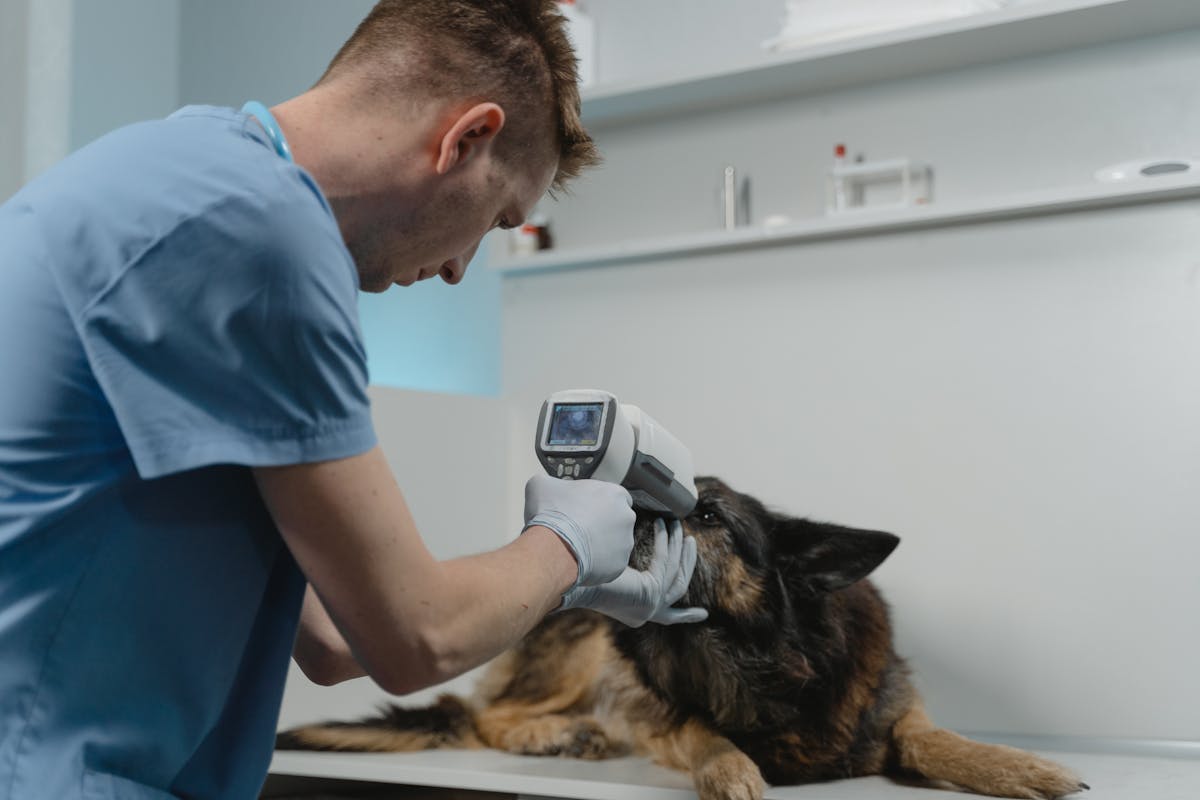
A veterinarian will examine your dog’s skin, coat, and overall health. They will look for signs of infection, parasites, and inflammation.
Allergy testing may include blood tests or intradermal skin tests to pinpoint specific allergens causing the itchiness.
Skin scraping helps detect mites, bacteria, or fungal infections. This step is essential for accurate diagnosis and proper treatment planning.
Oatmeal contains anti-inflammatory properties that help calm irritated skin. Bathing your dog with oatmeal shampoo can temporarily relieve itching and reduce redness.
Coconut oil has natural moisturizing and antimicrobial effects. Applying it to affected areas can soothe dry skin and prevent minor infections.
Aloe vera gel can cool inflamed skin and reduce itching. Make sure to use pet-safe aloe products to avoid toxic ingredients.
Switching to hypoallergenic diets or foods rich in omega fatty acids may reduce chronic itching caused by food allergies. Consult your vet before making dietary changes.

Over-the-counter antihistamines can relieve mild allergic itching. However, correct dosage and veterinary guidance are essential to avoid side effects.
In cases of severe inflammation or allergies, corticosteroids may be prescribed to reduce itchiness and swelling. Long-term use requires careful supervision.
Shampoos containing soothing agents, antifungal, or antibacterial ingredients can help control itching while treating underlying skin conditions.
Some dogs respond well to special prescription diets formulated for skin health and allergy management. These diets provide balanced nutrition while reducing allergic reactions.
Regular preventive treatment against fleas, ticks, and mites can stop infestations before they cause itching.
Brushing your dog regularly helps distribute natural oils, remove allergens, and prevent mats that can irritate the skin.
A diet rich in proteins, vitamins, and omega fatty acids supports healthy skin and coat, reducing dry skin-related itchiness.
Keeping your home clean, using air purifiers, and avoiding known allergens can minimize environmental triggers that cause itching.
Seek veterinary attention if your dog:
Early intervention prevents worsening conditions and ensures your dog’s comfort and health.
Excessive itching in dogs is a multifaceted problem that can stem from parasites, allergies, infections, or even nutritional deficiencies. Recognizing the symptoms, understanding the underlying causes, and implementing appropriate remedies—both at home and with veterinary care—can drastically improve your dog’s quality of life. Preventive measures like regular grooming, a balanced diet, and parasite control are key to keeping itching under control. With proper care, your dog can enjoy a healthy, itch-free life.
1. How long does it take for a dog to stop itching after treatment?
It depends on the cause. Flea infestations may resolve in a few days with proper treatment, while allergies or infections could take several weeks to fully improve.
2. Can diet really affect my dog’s itching?
Yes, food allergies or nutrient deficiencies can trigger chronic itching. Switching to a balanced or hypoallergenic diet often helps alleviate symptoms.
3. Are natural remedies effective for dog itching?
Natural remedies like oatmeal baths, aloe vera, and coconut oil can provide temporary relief and soothe irritated skin but may not address the underlying cause.
4. How can I prevent my dog from scratching in the future?
Regular grooming, flea and tick prevention, maintaining a healthy diet, and reducing exposure to allergens can significantly lower the risk of chronic itching.
5. When should I take my dog to the vet for itching?
If your dog’s itching is persistent, causes hair loss, open sores, or behavioral changes, you should consult a veterinarian immediately for proper diagnosis and treatment.
"*" indicates required fields