Menu
Download our Petland App today for information on your local Petland's Available Pets and Pet Supplies. All at the tips of your fingers!


Download our Petland App today for information on your local Petland's Available Pets and Pet Supplies. All at the tips of your fingers!
Please create a free account below, or login by clicking here.
Petland Overland Park, Kansas
January 9, 2026
Weather does not just change the temperature outside. It changes how your puppy feels, behaves, eats, sleeps, and grows. Puppies are like babies wrapped in fur. They are curious, energetic, and fragile at the same time. While adult dogs may adapt easily to heat, cold, rain, or humidity, puppies struggle much more.
If you have ever noticed your puppy acting lazy on hot days, shivering in winter, or becoming restless during storms, that is not random behavior. It is their body reacting to the environment. Understanding how weather affects puppies helps owners prevent health issues before they turn serious.
Let’s break it down step by step so you know exactly what to watch for and what to do in every season.
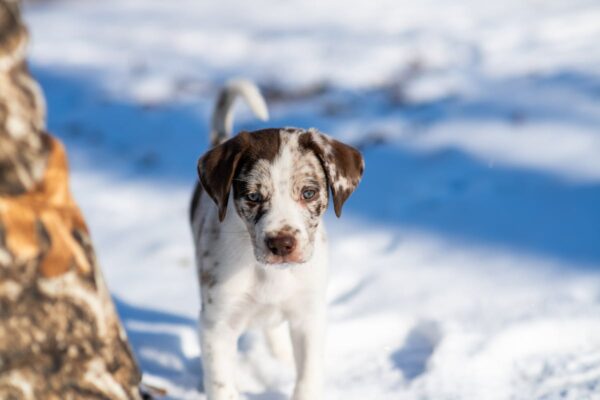
Puppies are still developing their immune systems. Their bodies are learning how to fight infections, regulate temperature, and adapt to stress. This makes them more vulnerable to weather related illnesses such as colds, respiratory infections, and skin problems.
A sudden drop or rise in temperature can overwhelm a puppy’s system quickly. What feels slightly uncomfortable to you might feel extreme to them.
Unlike humans, puppies cannot sweat to cool down. They rely on panting and limited heat release through paw pads. In cold weather, they also struggle to conserve heat effectively.
Small breeds and very young puppies lose body heat faster. Their tiny bodies react quickly to environmental changes. This is why toy breeds and newborn puppies need extra protection year round.
Hot weather can overwhelm puppies faster than expected. Early signs include:
Ignoring these signs can lead to serious conditions.
Heatstroke happens when a puppy’s body temperature rises too high and cannot cool down. This can cause organ failure, seizures, and even death. Puppies can develop heatstroke within minutes, especially in parked cars or during intense play.
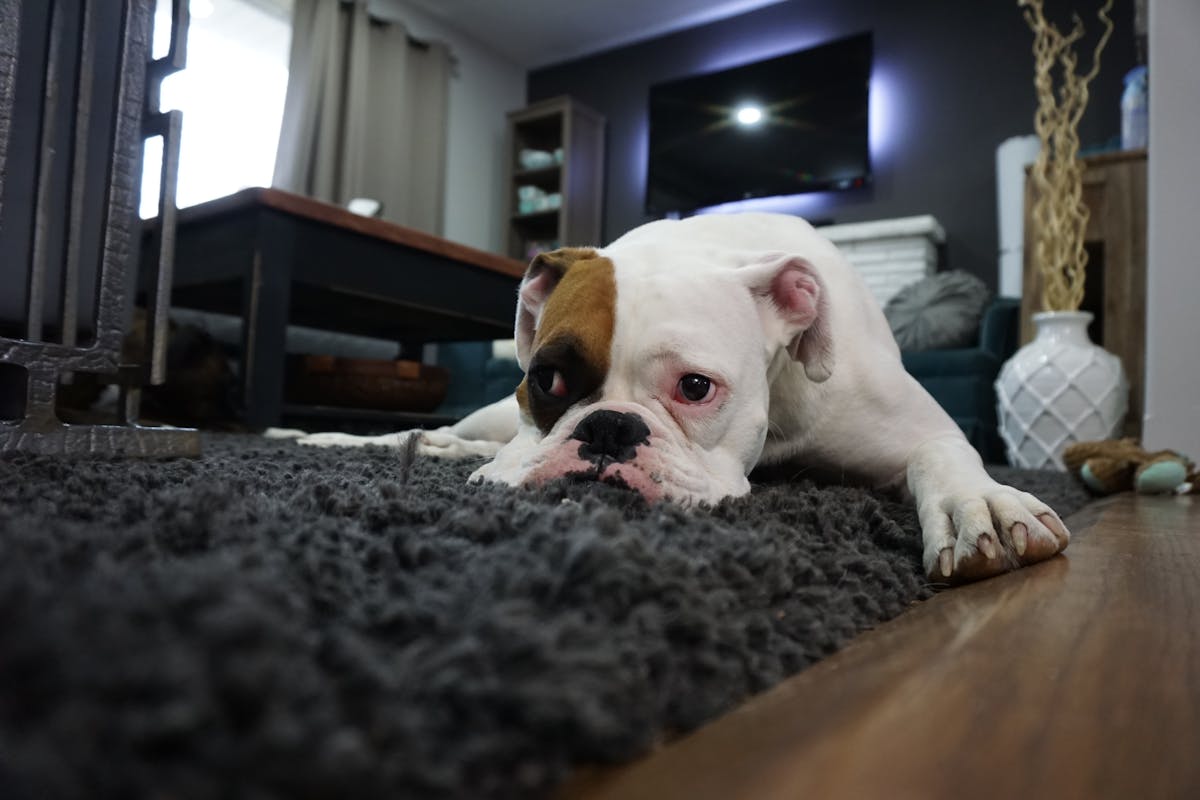
Flat faced breeds like Bulldogs, Pugs, and Shih Tzus struggle more in heat. Their short airways make cooling difficult. Thick coated breeds are also at higher risk.
Walk your puppy early in the morning or late in the evening. Avoid midday heat. Pavements can burn sensitive paw pads even if the air feels tolerable.
Always keep fresh water available. Add an extra bowl during hot days. Ice cubes can help but should not replace water.
Cooling mats, shaded areas, and damp towels are helpful. Avoid ice baths or sudden cold exposure since these can shock a puppy’s system.
Cold weather can cause hypothermia quickly in puppies. Signs include shivering, weakness, slow breathing, and confusion.
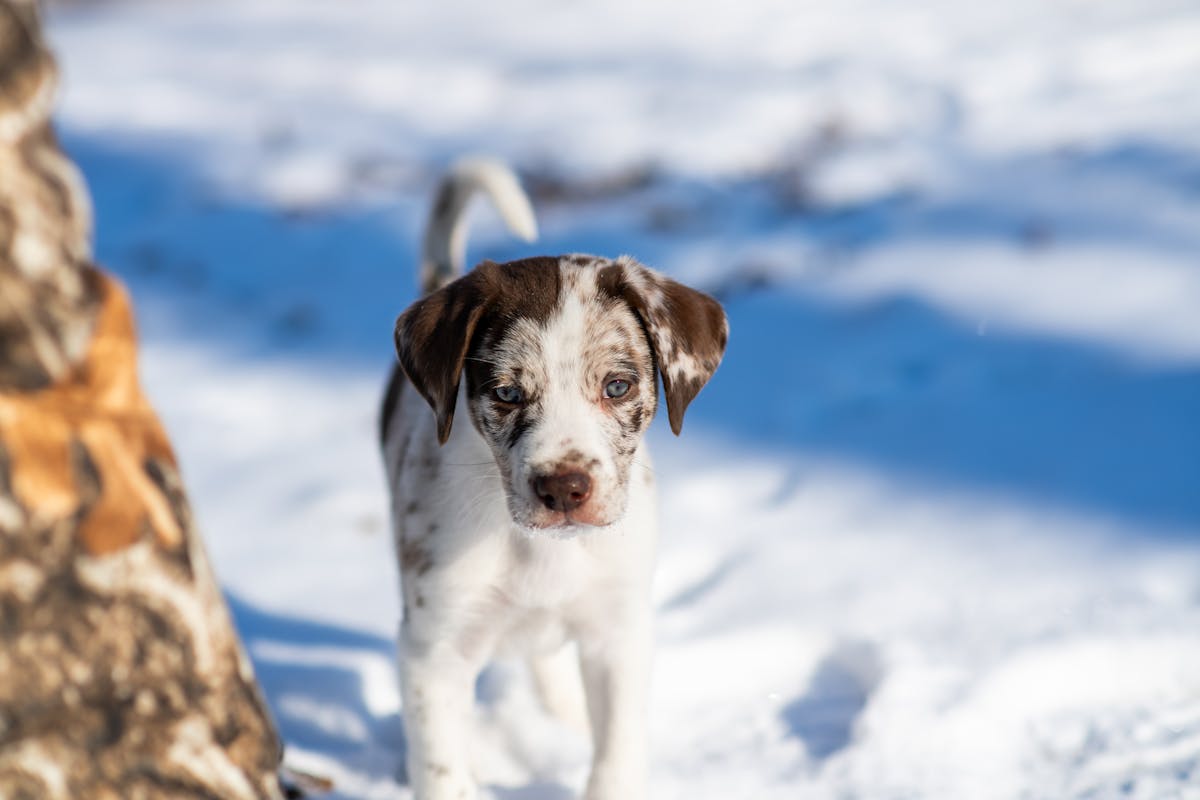
Ears, tails, and paws are vulnerable to frostbite. This is especially common during snow or icy conditions.
Short coated puppies need more protection. Long coats help but do not make puppies immune to cold.
Provide soft bedding away from cold floors. Avoid drafts near doors or windows.
Keep outdoor trips short. Dry your puppy thoroughly after walks.
Sweaters or jackets help small and short haired puppies. Bedding should be clean, dry, and well padded.
Moisture trapped in fur or ears creates the perfect environment for bacteria and yeast.
Rain can limit outdoor play. Puppies may become bored, restless, or destructive indoors.
Wipe paws after walks. Dry ears gently. Keep grooming consistent during humid seasons.
Pollen, mold, dust, and grass increase during seasonal changes.
Scratching, licking paws, watery eyes, sneezing, and ear redness are common signs.
If symptoms persist or worsen, professional evaluation is necessary. Early care prevents chronic issues.
Thunderstorms, wind, and sudden temperature drops can trigger anxiety. Puppies may whine, hide, or cling to owners.
Weather stress can upset digestion, leading to diarrhea or loss of appetite.
Cold weather may cause bursts of energy indoors. Heat often leads to sluggish behavior.
Puppies may sleep more during extreme temperatures as their bodies conserve energy.
Use fans or heaters safely. Maintain comfortable room temperatures.
Provide shade, shelter, and dry areas for outdoor play.
Never leave puppies alone in cars. Temperatures rise or fall rapidly inside vehicles.
Avoid slippery surfaces, strong winds, or storms.
Cold and damp conditions can stress developing joints. Heat can slow growth due to reduced appetite.
Gradual exposure under supervision helps puppies adapt safely over time.
Too much outdoor time in extreme weather causes harm. Too much restriction can affect socialization.
Puppies communicate discomfort through behavior. Missing these signs leads to preventable problems.
Weather plays a powerful role in a puppy’s health and happiness. Puppies rely on their owners to make smart choices because they cannot regulate their environment themselves. Paying attention to weather changes, adjusting routines, and responding early to signs of discomfort can make a huge difference.
A protected puppy grows into a healthier, happier adult dog. Prevention is always easier than treatment.
1. Can puppies get sick from sudden weather changes?
Yes, sudden temperature shifts can weaken immunity and cause respiratory or digestive issues.
2. Is it safe to bathe puppies during cold weather?
Yes, if done indoors with warm water and thorough drying afterward.
3. How long can puppies stay outside in hot weather?
Only short periods with shade and water. Avoid peak heat hours.
4. Do puppies need clothing in winter?
Small, short haired, or young puppies often benefit from sweaters or jackets.
5. How can I tell if my puppy is uncomfortable due to weather?
Watch for changes in behavior, appetite, energy level, and posture.
"*" indicates required fields