Menu
Download our Petland App today for information on your local Petland's Available Pets and Pet Supplies. All at the tips of your fingers!


Download our Petland App today for information on your local Petland's Available Pets and Pet Supplies. All at the tips of your fingers!
Please create a free account below, or login by clicking here.
Petland Overland Park, Kansas
February 20, 2026
Finding the perfect dog for your family can be exciting, but it also comes with important considerations. You want a companion that fits your lifestyle, is good with kids, and doesn’t leave your house covered in hair. That’s where low shedding dogs come in. These breeds are ideal for families who want a dog without the constant cleanup and allergy concerns. In this guide, we’ll explore the best low shedding dogs for families, their care requirements, and how to choose the right breed for your home.
Choosing a low shedding dog brings many benefits, particularly for families. Not only do they reduce the mess in your home, but they can also be better for family members with mild allergies.
Low shedding dogs offer:
Having a dog that doesn’t shed excessively can make daily life easier, especially for families juggling work, school, and other responsibilities.
Even if no one in your household has allergies, dander from shedding can aggravate respiratory issues. Low shedding dogs produce less hair and dander, helping to maintain a cleaner, healthier home environment.
Before choosing a dog, it’s important to understand what “low shedding” really means.
Low shedding dogs do lose hair, but the amount is significantly less than other breeds. Their coats often trap loose hair, preventing it from spreading throughout the home.
Some dogs are labeled “hypoallergenic,” meaning they produce fewer allergens, while low shedding refers to minimal hair loss. While the terms are related, no dog is completely free of allergens.

Selecting the right dog requires more than just looking at shedding. Consider your family’s lifestyle and home environment.
Active families may benefit from energetic breeds that enjoy playtime and outdoor activities. Less active households might prefer calm dogs that are happy with indoor play and short walks.
Some breeds tolerate children better than others. Assess your family’s needs—are the kids very young, or do they need a patient, gentle companion?
Space is another factor. Small apartments may require smaller low shedding breeds, while larger homes with yards can accommodate medium or large breeds that need room to exercise.
Here’s a detailed list of the best low shedding dogs for families in Kansas, including their traits, care requirements, and suitability for kids.
Poodles are highly intelligent, easy to train, and come in a variety of sizes. They are known for minimal shedding, making them ideal for families with allergies. Poodles are energetic, love to play, and can thrive in both apartments and houses with yards.
Bichons are friendly, affectionate, and playful. Their curly coats trap hair, keeping shedding to a minimum. These dogs are great for families with children and adapt well to both apartments and houses. Regular grooming is required to maintain their fluffy appearance.
Maltese dogs are small, loving, and ideal for families seeking a companion that doesn’t shed much. They have long, silky hair that requires brushing, but they rarely lose fur around the house. Maltese dogs thrive in apartments and smaller homes.
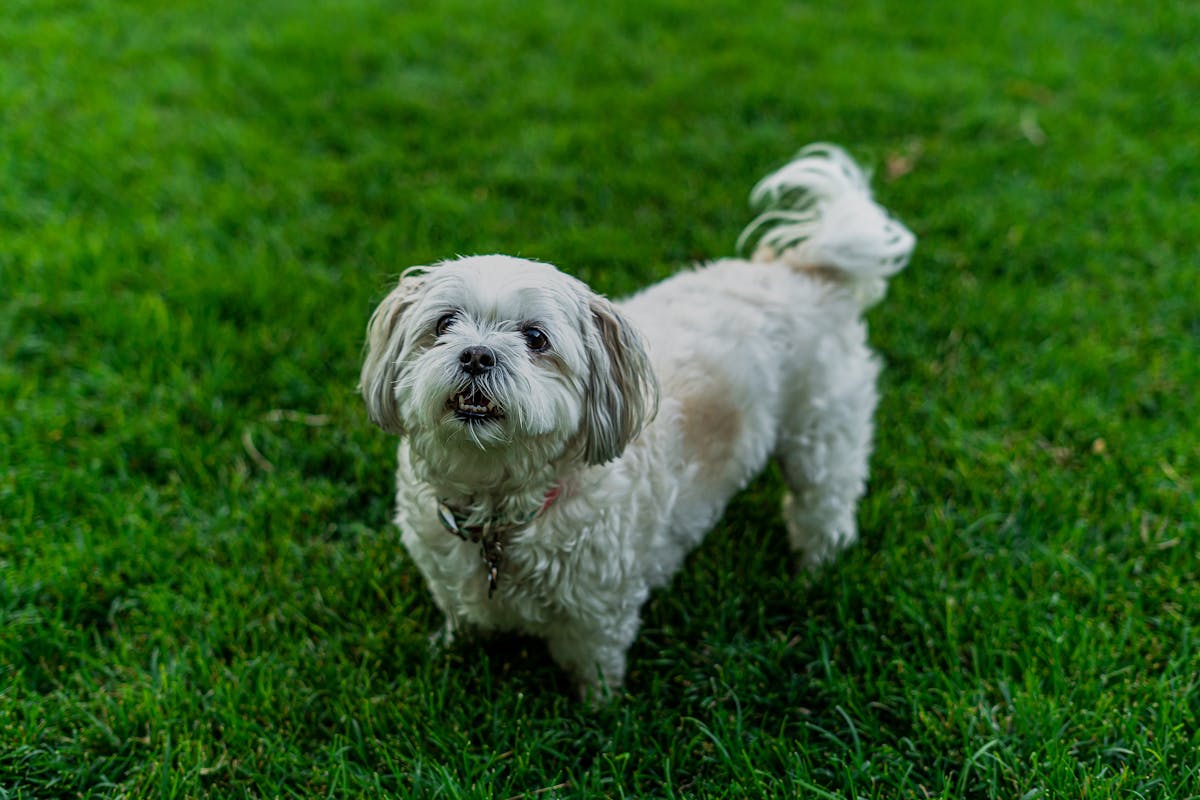
Shih Tzus are gentle and loyal, known for their low shedding coats. They are friendly with children and adapt well to indoor living. Grooming is essential to prevent tangles and keep their coat healthy.
These energetic dogs love water and are perfect for active families. Their curly coats shed minimally, but they require regular brushing and exercise. They are highly intelligent and enjoy training games and family activities.
Schnauzers are smart, versatile, and hypoallergenic. They come in both miniature and standard sizes, making them suitable for apartments or larger homes. Their wiry coats reduce shedding and make grooming easier. Schnauzers are loyal, playful, and excellent with children.
Even low shedding dogs need proper care to stay healthy and happy.
Regular grooming keeps their coat healthy and reduces matting. Depending on the breed, brushing several times a week and professional grooming every 6–8 weeks is recommended.
A balanced diet supports coat health, energy, and overall wellbeing. Exercise needs vary: small breeds may need short walks and indoor play, while larger breeds require more active outdoor time.
Routine veterinary visits ensure your dog is up to date on vaccinations, parasite control, and dental care. Regular checkups help catch health issues early, ensuring your dog stays happy and active.
Finding the perfect breed is about more than appearance.
Ensure the dog’s energy matches your family’s lifestyle. Active households benefit from playful breeds, while calm households may prefer more relaxed dogs.
Some breeds are more patient, affectionate, or independent. Assess the personality traits that best suit your family.
If anyone in the household has allergies, low shedding dogs can help, but you should still monitor exposure and consider allergy testing before adoption.
Finding a reputable source is just as important as choosing the breed.
Reputable breeders provide healthy, well-socialized puppies with vaccination records and health guarantees. Always ask about the puppy’s lineage and health history.
Animal shelters often have low shedding dogs waiting for loving homes. Adoption gives a dog a second chance and supports the community.
Some pet stores partner with rescues to offer low shedding breeds. Research their practices to ensure ethical sourcing and healthy puppies.
Low shedding dogs are an excellent choice for Kansas families looking for companionship without excessive cleaning or allergy concerns. By considering breed, energy level, grooming needs, and temperament, families can find the perfect dog to fit their lifestyle. From intelligent Poodles to playful Schnauzers, there’s a low shedding dog suited for every household. With proper care, exercise, and love, these dogs become loyal family members who enrich life in countless ways.
No dog is entirely hypoallergenic, but low shedding dogs produce less hair and dander, reducing allergy symptoms.
Poodles, Bichon Frises, and Schnauzers are patient and playful, making them excellent companions for children.
Most require brushing a few times per week and professional grooming every 6–8 weeks, depending on the breed.
Yes, smaller breeds like Maltese and Miniature Poodles adapt well to apartment living, while larger breeds may need more space.
Check local reputable breeders, animal shelters, pet rescues, and some pet stores that partner with ethical adoption programs.




"*" indicates required fields