Menu
Download our Petland App today for information on your local Petland's Available Pets and Pet Supplies. All at the tips of your fingers!


Download our Petland App today for information on your local Petland's Available Pets and Pet Supplies. All at the tips of your fingers!
Please create a free account below, or login by clicking here.
Petland Overland Park, Kansas
November 3, 2025
Compact, confident, and utterly charming, the Shiba Inu is one of Japan’s most beloved dog breeds and a favorite worldwide. Known for its fox-like face, independent personality, and playful spirit, this breed combines intelligence with a dash of mischief. But behind those adorable looks lies a dog that requires patience, understanding, and consistent care. Whether you’re considering adopting a Shiba or already have one ruling your home, this guide will help you understand everything about their personality, traits, and daily care.
Originating in Japan over 2,000 years ago, the Shiba Inu was bred for hunting small game in mountainous regions. The word “Shiba” roughly translates to “brushwood,” referring to the dense shrubs where they hunted. After World War II, the breed nearly went extinct, but dedicated breeders revived it, making it Japan’s national treasure and a global icon.
Shiba Inus are small to medium-sized dogs, typically weighing between 17 to 23 pounds. Their agile, muscular build allows them to move swiftly, a reflection of their hunting heritage.
Common coat colors include red, sesame, black and tan, and cream. Their double coat helps them adapt to both warm and cold weather, but it also means you’ll find fur everywhere during shedding seasons!
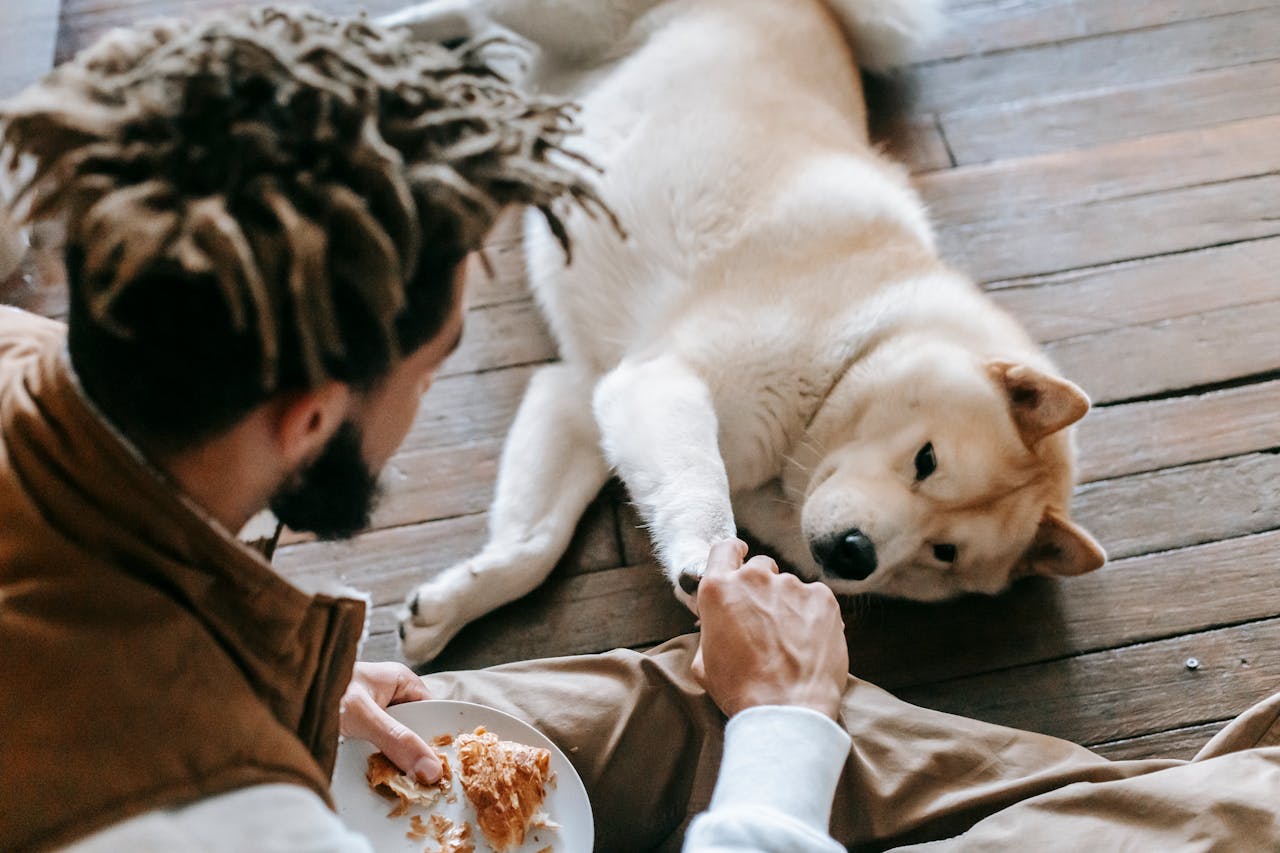
With a curled tail, triangular ears, and bright almond eyes, the Shiba Inu’s expression often appears alert, confident, and curious much like a fox.
Shiba Inus are famously independent. They like doing things on their own terms, often compared to cats in their behavior. Don’t be surprised if your Shiba seems to ignore commands they’re thinking about first!
Highly intelligent and observant, Shibas are quick learners but can be stubborn. Their alertness makes them excellent watchdogs who are always aware of their surroundings.
While they may appear aloof at first, once a Shiba bonds with you, that loyalty is unshakable. They are affectionate with their families just not in an overly clingy way.
If you’ve ever heard it, you’ll never forget it! The “Shiba Scream” is a loud, dramatic sound this breed makes when they’re excited, scared, or simply unhappy about something like a bath or vet visit. It’s one of their most unique traits and a reminder of their expressive nature.
Shibas can be good with kids if raised together and socialized early. However, they don’t tolerate rough handling. Teaching children to respect their boundaries is essential.
Shibas have a high prey drive, so smaller pets like rabbits or hamsters may not be safe. With proper socialization, they can coexist peacefully with other dogs, but same-sex aggression is not uncommon.
Start training as early as possible. Shibas who meet a variety of people, dogs, and environments from a young age become more adaptable adults.
Use treats, praise, and patience. Harsh methods or yelling don’t work; they’ll only make your Shiba more resistant.
Consistency is key. Short, engaging sessions work best because Shibas quickly lose interest in repetitive drills.
Shibas are energetic dogs that need at least 45–60 minutes of exercise daily. Walks, hikes, and playtime in secure areas are perfect outlets.
They love interactive toys and puzzle feeders that challenge their minds. Agility training can also be a great way to burn energy while strengthening your bond.
Feed high-quality kibble or a vet-approved raw/fresh diet rich in protein and omega fatty acids to support their coat and muscle health.
Watch for reactions to ingredients like chicken, corn, or soy. Regularly rotate protein sources to prevent intolerance.
Treats should make up less than 10% of their daily calorie intake. Shibas love snacks but too many can lead to obesity.
Brush your Shiba’s coat at least twice a week, and daily during shedding season. Bathe them once every 2–3 months unless they get into something messy.
Trim nails regularly, as Shibas dislike long claws. Clean their ears gently once a week to prevent buildup.
They “blow their coat” twice a year except for clouds of fur everywhere. Using a de-shedding brush can make this period more manageable.
Shibas adapt well to apartments as long as they get daily exercise. However, they thrive best in environments with safe, fenced yards to explore.
Typically reserved around strangers, Shibas will observe before engaging. Early socialization helps them stay calm and polite in new situations.
The Shiba Inu may not be for everyone; they’re independent, strong-willed, and sometimes challenging. But for those who appreciate their spirit, loyalty, and intelligence, life with a Shiba is endlessly rewarding. Their confidence and charm make them unforgettable companions for owners who respect their individuality.
1. Are Shiba Inus easy to train?
Not exactly. They’re smart but stubborn consistent, positive training works best.
2. Do Shiba Inus get along with other dogs?
Yes, if socialized early. However, some can be territorial with dogs of the same sex.
3. How often should I groom my Shiba Inu?
Brush twice weekly and more often during shedding seasons.
4. Can Shiba Inus live in apartments?
Absolutely! Just make sure they get enough physical and mental exercise.
5. Are Shiba Inus good for first-time dog owners?
They can be but only if you’re patient, consistent, and willing to learn.


"*" indicates required fields