Menu
Download our Petland App today for information on your local Petland's Available Pets and Pet Supplies. All at the tips of your fingers!


Download our Petland App today for information on your local Petland's Available Pets and Pet Supplies. All at the tips of your fingers!
Please create a free account below, or login by clicking here.
Petland Overland Park, Kansas
November 29, 2025
Thanksgiving is all about great food, family time, and sharing. The problem is that puppies often end up sharing a little too much from the dinner table. A small treat might seem harmless, but rich holiday foods can easily upset a puppy’s sensitive stomach. If your pup is dealing with digestive issues after Thanksgiving, you are not alone. This guide explains what is normal, what needs attention, and when it is time to call a vet.
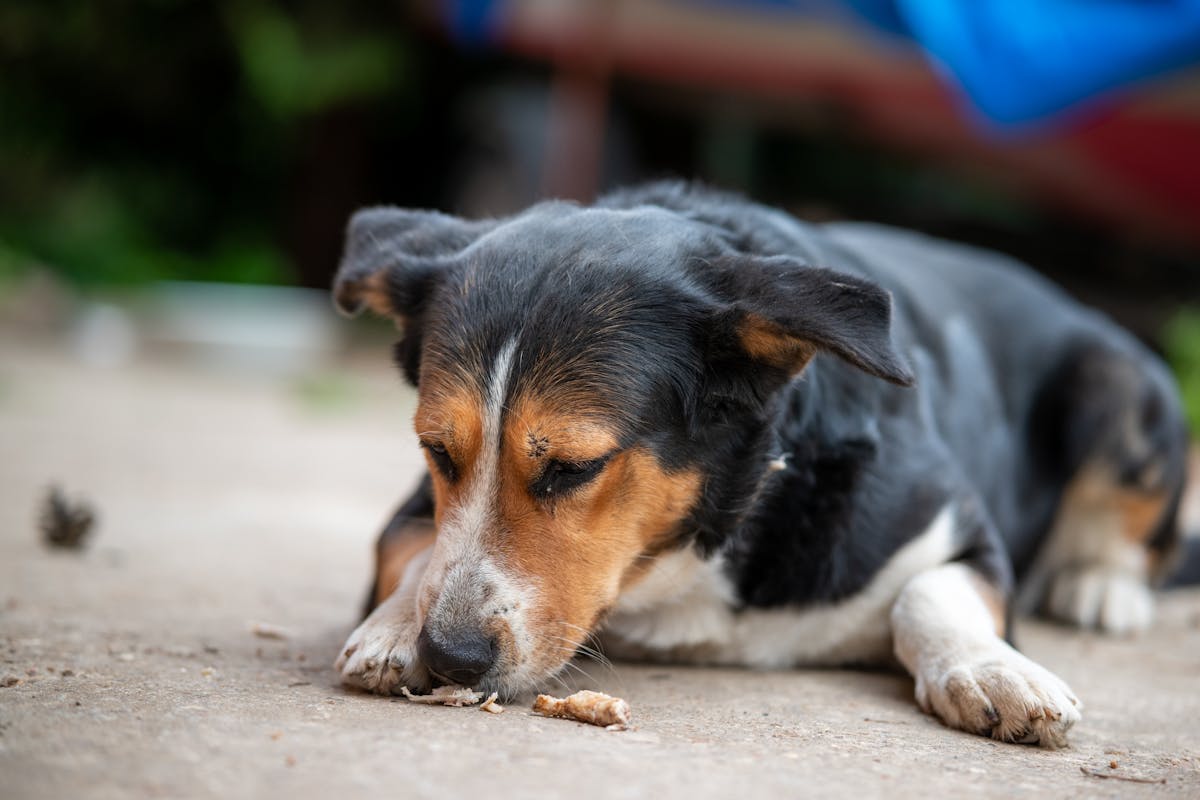
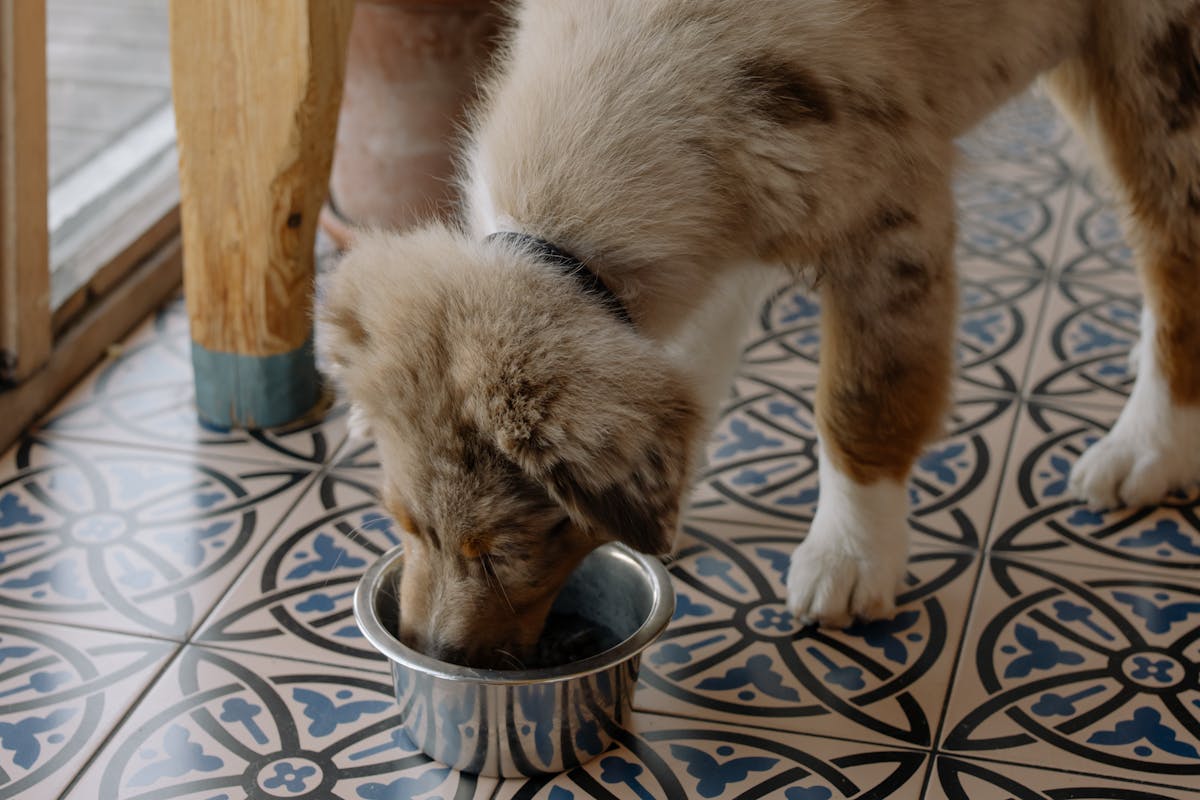
Puppies have delicate digestive systems. When they eat something outside their usual diet, even in small amounts, their stomach can react. A single bite of mashed potatoes or a piece of turkey skin can trigger problems.
Read More: Nutrition Trends for Puppies in 2025: What’s Really Best to Feed Your Dog
Thanksgiving meals are often high in butter, oils, and fats. Puppies cannot break down fatty foods easily, and this can lead to vomiting, diarrhea, and even pancreatitis if consumed in large amounts.
Ingredients like onions, garlic, raisins, spices, and chocolate can cause serious reactions. Puppies will often grab food from the floor or get treats from guests who do not know what is safe for dogs.
With many people around, your puppy might receive extra snacks without you even knowing. Too much food at once can overwhelm their stomach and cause discomfort.
The most common issue is a simple stomach upset. Your puppy might seem uncomfortable or have mild gurgling sounds.
This can happen if your puppy ate something too rich or too heavy. A single vomit episode is usually not serious.
Loose stool after Thanksgiving is extremely common. Spices, fats, and new foods can all cause diarrhea.
Foods that are not part of a normal dog diet can produce gas. You might notice your puppy’s belly looking round or firm.
If your pup ate bones or heavy starchy foods, constipation might occur.
Feeling a bit off for a few hours is normal and usually goes away on its own.
Your puppy might seem tired or less playful if their stomach hurts.
They might skip a meal because of discomfort, but they should eat again soon.
One or two loose stools are not usually a cause for concern.
If vomiting happens multiple times or continues for hours, it might be more serious.
Blood is always a red flag. Call your vet immediately.
If your puppy cannot stand, walk, or respond normally, seek help right away.
Symptoms like shaking, drooling, confusion, or collapse can indicate poisoning.
Diarrhea and vomiting can dry out a puppy fast. Dry gums, sticky saliva, and sunken eyes are signs of dehydration.
These are too rich and can cause pancreatitis.
Cooked bones can splinter and cause choking or internal injury.
Stuffing usually includes onions, garlic, and spices that are unsafe.
Xylitol, found in sugar free desserts, is extremely toxic.
Even small amounts can damage a puppy’s red blood cells.
Keep your puppy away from leftovers and trash.
Hydration helps flush out their system.
Boiled chicken and rice or plain pumpkin can settle their stomach.
Normal behavior means things are improving.
Never give painkillers or stomach medicine made for humans.
Persistent symptoms should not be ignored.
Crying, whining, or guarding their belly means something is wrong.
Not eating or drinking for a full day requires attention.
If you suspect toxic food, do not wait. Call immediately.
Boneless and unseasoned turkey is safe in small amounts.
Carrots or green beans are gentle on their stomach.
Plain pumpkin helps soothe digestion.
A classic bland diet that helps with recovery.
Tell family members not to feed your puppy without asking.
Have dog friendly snacks ready to offer instead.
Most Thanksgiving trouble comes from trash bags within reach.
If you want to share a treat, give only a tiny amount.
Get back to their usual diet as soon as possible.
A little exercise can help digestion recover.
Routine helps your puppy feel secure and balanced.
Keep an eye on symptoms, stick to simple foods, and watch for warning signs. Most digestive issues are mild and pass quickly. A little care goes a long way toward keeping your puppy healthy and happy.
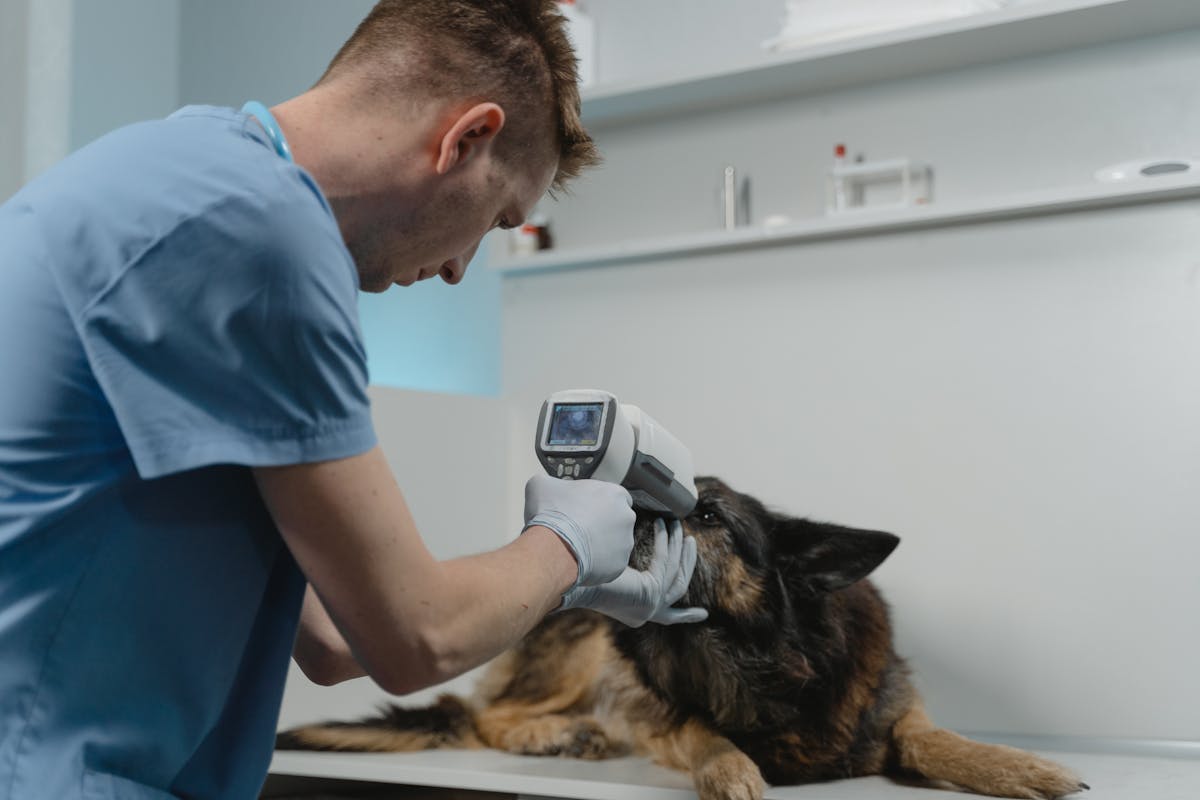
Digestive issues after Thanksgiving are common in puppies. Most cases are mild and improve with rest, hydration, and a simple diet. The key is to know what is normal and what signals a problem. If symptoms become severe or last too long, it is always better to call your vet. With the right care, your puppy will bounce back and return to their playful self.
1. How long does a puppy’s upset stomach last after Thanksgiving?
Usually less than 24 hours.
2. Can puppies eat leftover turkey?
Yes, but only plain, boneless, and unseasoned meat.
3. Should I give my puppy milk if their stomach is upset?
No. Many puppies are lactose intolerant.
4. What if my puppy ate turkey bones?
Call a vet immediately.
5. Can stress also trigger digestive issues?
Yes. Too much noise and activity during holidays can upset a puppy’s stomach.

"*" indicates required fields