Menu
Download our Petland App today for information on your local Petland's Available Pets and Pet Supplies. All at the tips of your fingers!


Download our Petland App today for information on your local Petland's Available Pets and Pet Supplies. All at the tips of your fingers!
Please create a free account below, or login by clicking here.
Petland Overland Park, Kansas
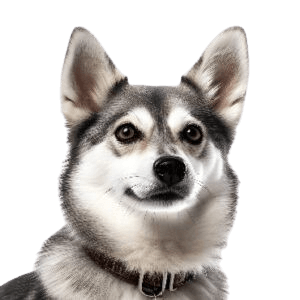
The Alaskan Klee Kai is an American spitz-type breed of dog, developed in the late 20th century as a companion-sized dog resembling the larger Alaskan Malamute and Siberian Husky. It is an energetic, intelligent dog with an appearance that reflects its northern heritage
The Alaskan Klee Kai is a relatively new breed, specifically developed in the 1970s in Alaska to be a miniature version of the Alaskan Husky, retaining their striking wolf-like appearance but in a companionable, smaller package. Discover more about our Alaskan Klee Kai for sale below!
The Alaskan Klee Kai was developed by Linda Spurlin in the 1970s in Wasilla, Alaska. She aimed to create a companion-sized dog that retained the appearance and many of the positive attributes of the Alaskan Husky. By selectively breeding smaller and more manageable dogs from the Alaskan Husky, Siberian Husky, American Eskimo Dog, and Schipperke, Spurlin achieved her goal. The breed’s name, “Klee Kai,” comes from an Inuit term meaning “small dog.”
The Alaskan Klee Kai is a small yet sturdy breed, typically weighing between 10 to 20 pounds and standing 13 to 17 inches tall at the shoulder. Despite their small size, they have a well-proportioned, muscular build that enables them to be agile and active. Their striking resemblance to the Siberian Husky is one of their most notable features, with similar coat colors, facial masks, and piercing blue or brown eyes.
The coat of the Alaskan Klee Kai is double-layered, providing excellent insulation against cold weather. It comes in three main color varieties: black and white, gray and white, and red and white. The breed’s tail is typically curled over its back, adding to its charming and energetic appearance.
The Alaskan Klee Kai is known for its high intelligence and curiosity. They are quick learners and excel in obedience and agility training. However, their independent nature can sometimes make them appear aloof or reserved, especially around strangers. Early socialization is crucial to ensure they grow into well-rounded and confident dogs.
Despite their independence, Alaskan Klee Kais are affectionate and form strong bonds with their families. They are known to be loyal and protective, making them excellent watchdogs. Their small size and adaptability also make them suitable for apartment living, provided they receive ample exercise and mental stimulation.
Alaskan Klee Kais are energetic dogs that require regular exercise to keep them healthy and happy. Daily walks, playtime, and mental challenges such as puzzle toys are essential to prevent boredom and destructive behaviors. Due to their high prey drive, it’s important to keep them on a leash or in a secure area when outside.
Training an Alaskan Klee Kai can be a rewarding experience, as they respond well to positive reinforcement methods. Consistency, patience, and early training are key to managing their sometimes stubborn nature. Socializing them from a young age with various people, environments, and other animals will help them become well-adjusted adults.
The Alaskan Klee Kai’s double coat requires regular grooming to maintain its health and appearance. Weekly brushing is recommended to remove loose hair and prevent matting. During shedding seasons, typically in spring and fall, more frequent brushing may be necessary to manage the increased hair loss.
Bathing should be done as needed, depending on the dog’s activity level and environment. It’s important to use a dog-specific shampoo to avoid irritating their skin. Regular dental care, nail trimming, and ear cleaning should also be part of their grooming routine to ensure overall health and well-being.
The Alaskan Klee Kai is generally a healthy breed with a lifespan of 12 to 16 years. However, like all breeds, they are susceptible to certain health issues. Common concerns include patellar luxation, heart disease, and eye conditions such as cataracts and progressive retinal atrophy. Responsible breeding practices and regular veterinary check-ups can help minimize the risk of these conditions.
The Alaskan Klee Kai is a versatile breed that can adapt to various living situations. They thrive in homes where they receive plenty of attention, exercise, and mental stimulation. Due to their small size and manageable exercise needs, they can do well in apartments or houses with or without yards. However, their strong prey drive means they should be supervised around small pets such as cats or rodents.
Families with older children or active individuals are often the best fit for this energetic breed. They can participate in various activities such as hiking, jogging, and dog sports, making them an excellent choice for those who enjoy an active lifestyle.
They typically come in black and white, gray and white, or red and white, often with a distinctive facial mask. Solid white is rare and generally not desired according to breed standards.
They come in three sizes: Toy (up to 13 inches at the shoulder), Miniature (13-15 inches), and Standard (15-17 inches). Their weight ranges from approximately 5-22 pounds depending on their size category.
Yes, they have a thick double coat and are considered heavy-shedders, especially during their twice-yearly “blowing coat” periods. Regular brushing is essential.
Alaskan Klee Kai are intelligent and eager to please, making them trainable. However, their high energy, need for mental stimulation, and potential for being vocal and wary of strangers mean they do best with dedicated owners who can provide consistent training and socialization.
They are intelligent, active, agile, and curious. While affectionate with their families and often bonding deeply with one person, they can be reserved or even aloof with strangers. They are also known for being vocal, using “woo-woos,” barks, and whines.
They can get along well with other dogs, but due to their strong prey drive, careful socialization from puppyhood is crucial if they are to live peacefully with smaller pets like cats, rabbits, or birds.
Generally a healthy breed, they can be predisposed to certain conditions like patellar luxation (kneecap slipping), autoimmune thyroiditis, certain eye disorders, and Factor VII deficiency (a blood clotting disorder). Reputable breeders screen for these conditions.
Despite their small size, Alaskan Klee Kai are energetic and require a good amount of daily exercise and mental stimulation. Leashed walks, secure off-leash play, and dog sports like agility are great ways to keep them happy and prevent boredom or destructive behaviors.


GOODTrustindex verifies that the original source of the review is Google. My bulldog is loving his new home. Thanks!Posted onTrustindex verifies that the original source of the review is Google. We had Jacob help us and we had the most adorable puppies Proper enjoyed the experiencePosted onTrustindex verifies that the original source of the review is Google. Jacob was very kind and caring with the animals and had great service!Posted onTrustindex verifies that the original source of the review is Google. Jacob who was working when I went was super nice and very helpful! And the puppies were so cute :)Posted onTrustindex verifies that the original source of the review is Google. Friendly staffPosted onTrustindex verifies that the original source of the review is Google. I had a wonderful experience at Petland! I came in hoping to see one of the puppies, and thanks to Sabrina, it was such an enjoyable visit. She was incredibly friendly, professional, and made the whole process smooth and stress-free. Sabrina took the time to answer all my questions and made sure I had a chance to really connect with the dog. You can tell she genuinely cares about the animals and the customers. Her positive attitude made the visit even more special. Thank you, Sabrina, for your amazing help—I’ll definitely be back!Posted onTrustindex verifies that the original source of the review is Google. great service by Jacob
"*" indicates required fields
"*" indicates required fields